By Aisha Muhammad Magaji
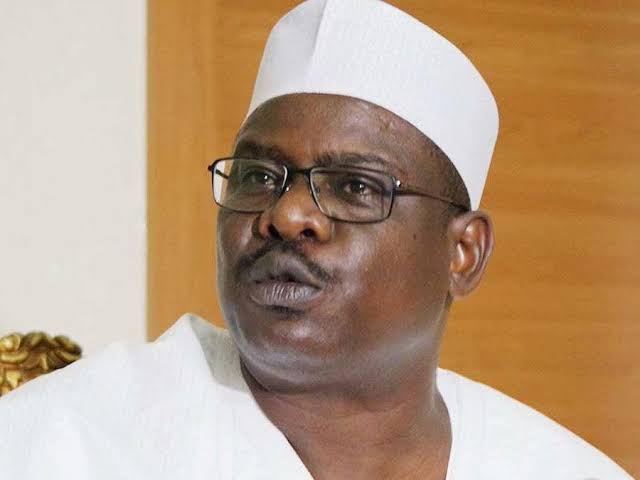
In a controversial intervention, Senator Ali Ndume has urged President Bola Tinubu to intervene decisively in the escalating conflict between Dangote Petroleum Refinery and the Petroleum and Natural Gas Senior Staff Association of Nigeria (PENGASSAN) even if it means acting like a dictator to resolve the standoff.
The crisis erupted after Dangote announced layoffs of over 800 workers across its refinery operations, citing security concerns and alleged sabotage. In retaliation, PENGASSAN ordered a nationwide strike and directed petrochemical operators to halt crude and gas deliveries to the refinery. The standoff threatens Nigeria’s energy supply chain and has put the refinery’s operations under strain.
Appearing on Arise Television’s Prime Time, Ndume urged Tinubu to issue an executive order to end the crisis.
“The best thing is for the president to sign an executive order calling them off. He has the right to dissolve them,” Ndume said. “In this case, I don’t mind if he acts like a dictator because some situations require very drastic measures.”
He further asserted that PENGASSAN had overstepped its mandate by trying to impose demands on a private business. “Dangote is a private businessman … you can’t come and impose anything on a private individual,” he remarked.
Ndume also questioned the union’s priorities and motives, accusing it of serving private interests rather than public welfare. “They are just workers. How can they be asking for more than the owners?” he asked.
On dissolving unions, he referenced past precedents, including Nigeria’s former military regimes. “Abacha did it,” he noted, arguing that extreme steps may sometimes be justified.
Ndume’s remarks have stirred strong reactions in political, labour, and civil society circles. Some analysts warn his proposal borders on executive overreach and would undermine the sanctity of labour rights. Others see it as a reflection of the urgency and high stakes of the current crisis.
A critical view argues that dissolving a legally recognized union, particularly in a democracy, is dangerous precedent. Others, however, argue that when a union’s action disrupts national supply chains, tough measures may be warranted though they caution against conflating decisiveness with dictatorship.
For President Tinubu, Ndume’s call is a test: Will he choose firm leadership or risk being seen as trampling civil liberties? The stakes go beyond one refinery dispute.
If he intervenes with force, the message will resonate in labour relations, energy policy, governance norms, and the balance of executive power in Nigeria.
For Dangote, operations may resume but at what cost to capital confidence, investor relations, and labour morale? For PENGASSAN, the move deepens the risk of suppression.
The Presidency has begun convening talks with both sides amid pressure to stabilize operations.
PENGASSAN may escalate or adjust its tactics or file counterclaims.
Legal and constitutional experts may weigh in on whether dissolving a union is permissible and under what conditions.
Ndume’s statement seems designed to shift the narrative. Whether it becomes the roadmap or the warning sign will depend on the response from the Presidency, labour, and the Nigerian public.