By Aisha Muhammad Magaji
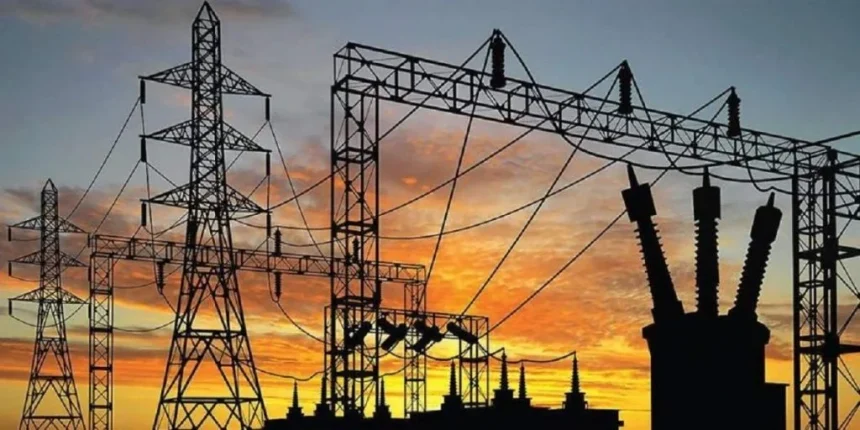
Nigeria faces the prospect of a nationwide blackout following the decision of electricity workers under the aegis of the National Union of Electricity Employees (NUEE) to embark on an indefinite strike.
The strike, which began Tuesday, comes after a breakdown in negotiations between the workers’ union and the federal government over unresolved issues bordering on welfare, pension arrears, and privatization policies in the power sector.
Union accuses FG of neglect
In a statement issued in Abuja, NUEE General Secretary, Mr. Joe Ajaero, accused the government of ignoring long-standing grievances of electricity workers.
“For years, we have raised concerns about unpaid entitlements, poor working conditions, and the non-implementation of agreements reached. The government’s continued indifference has left us with no choice but to down tools,” Ajaero said.
He warned that unless the federal government urgently addresses the union’s demands, the blackout could persist and worsen the nation’s already fragile electricity supply.
Among the issues raised by the workers are:
- Settlement of outstanding entitlements to former staff of the defunct Power Holding Company of Nigeria (PHCN).
- Review of privatization agreements which the union says failed to improve efficiency in the sector.
- Better welfare packages and improved safety measures for current electricity staff.
- Reversal of policies perceived to undermine workers’ rights.
Impact already being felt
Reports from Lagos, Abuja, and other major cities indicate disruptions in power supply within hours of the strike commencement. Several power distribution companies (DisCos) confirmed reduced activity as staff withdrew from operations.
The Transmission Company of Nigeria (TCN) has also raised alarm that the strike could destabilize the national grid, which has collapsed multiple times in recent months.
Government appeals for dialogue
Reacting to the development, Minister of Power, Chief Adebayo Adelabu, appealed to the union to call off the strike and return to the negotiating table.
“We understand the concerns of electricity workers, but an indefinite strike is not the solution. Millions of Nigerians and industries rely on steady power. We urge the union to reconsider and give dialogue a chance,” Adelabu said.
He added that a high-level meeting between the ministry, NUEE leadership, and other stakeholders has been scheduled to resolve the crisis.
Analysts warn that a prolonged blackout could worsen Nigeria’s economic challenges. Industries, hospitals, and businesses dependent on electricity are already bracing for increased reliance on diesel and petrol generators—at a time when fuel prices remain high.
“This strike could have a multiplier effect on inflation, productivity, and public safety. The government must act swiftly to avert a prolonged shutdown,” said energy economist Dr. Chinedu Eke.
Nigerians have expressed frustration over the looming blackout, describing it as another blow in a country struggling with epileptic power supply.
“If they cut off electricity now, how are businesses supposed to survive? Even the little power we get is not stable. Government and the union should resolve this fast,” said Maryam Yusuf, a businesswoman in Kano.
While negotiations are ongoing, observers say resolving the crisis requires more than temporary settlements. Many argue that Nigeria’s power sector overhaul must be holistic, addressing structural inefficiencies, weak regulation, and poor investment.
For now, the risk of a nationwide blackout looms large, leaving millions of Nigerians anxiously awaiting the outcome of talks between the union and government.