In parts of northern Nigeria, the simple act of attending school has increasingly become a life-threatening risk.
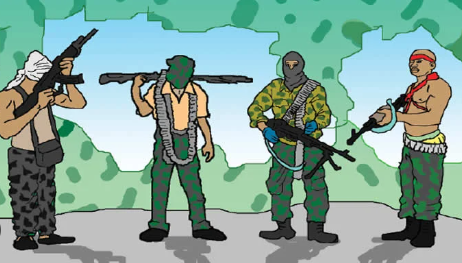
Bandit attacks, kidnappings, and violent raids have forced repeated school closures, disrupting education and deepening social inequality.
Kebbi State’s decision to reopen selected schools follows a traumatic episode in which bandits attacked a girls’ secondary school, abducting students and killing a guard.
The incident reignited national fears about the vulnerability of educational institutions in conflict-prone regions.
State authorities opted for a phased reopening, beginning with schools located in major towns and cities where security presence is stronger.
Education Commissioner Dr. Halimatu Bande described the approach as cautious but necessary, balancing the right to education with the imperative of safety.
In Kwara State, a broader resumption of academic activities has been approved, except in areas still under special security surveillance.
The move signals confidence in improved security arrangements, though officials remain alert to evolving threats.
To ensure learning continues even where schools remain closed, Kwara has partnered with UNICEF to roll out radio-based lessons.
The initiative reflects a growing recognition that alternative learning platforms are no longer optional but essential in times of insecurity.
The reopening of schools, even partially, represents more than a return to routine. It is a statement of resilience by communities determined not to allow violence permanently derail the future of their children.