By Zainab Ibrahim
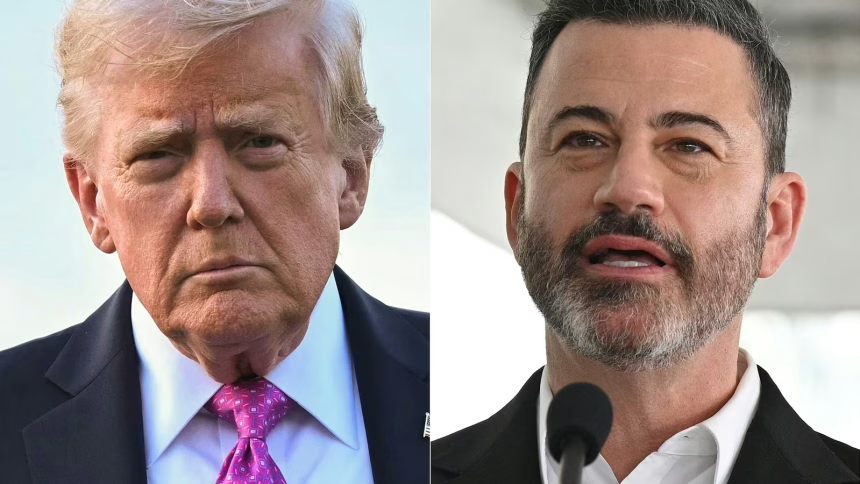
When late‑night host Jimmy Kimmel returned to Jimmy Kimmel Live! this week, he didn’t just bring jokes, he brought a warning. A warning for comedians, for media houses, and for everyone who believes in speaking truth (even when it’s uncomfortable). “Our government cannot be allowed to control what we do and do not say,” he declared, in a monologue that drew both applause and ire.
The Spark
The controversy began when Kimmel criticized how some political forces were trying to pin the blame for Charlie Kirk’s death on a broader group (labeling them “MAGA” or otherwise). The FCC chairman, Brendan Carr, reacted angrily, saying there would be consequences if Kimmel didn’t “change his conduct.” Local ABC affiliates pushed back; some stations threatened to drop or censor him. The show was briefly suspended.
Kimmel’s Stand
When he came back on air, Kimmel didn’t just apologize, he pushed back. He said that government pressure on speech is a slippery slope. That comedy isn’t just entertainment, it’s a part of public discourse. That even when it feels dangerous, we must defend our right to say the hardest things, criticize the powerful, call out hypocrisy. Because once you let authorities decide what can and cannot be said, you’ve lost more than a show, you’ve lost freedom.
He reminded viewers that silence in the face of pressure isn’t neutrality. He thanked his supporters: fellow comedians, industry peers, civil liberties groups. And he made it clear: he intends to keep speaking, no matter how uncomfortable it gets.
Jimmy Kimmel’s recent clash with government regulators over his on-air commentary signifies a much broader global struggle between free speech and censorship. His experience raises urgent questions: Who gets to decide what is off-limits? When does government oversight cross the line into intimidation? And how much suppression should citizens accept before challenging the erosion of independent media? Kimmel’s case resonates far beyond the U.S., as countries worldwide increasingly use regulation, financial pressure, or fear to silence dissent. The real danger isn’t always in the laws themselves, but in the chilling effect they produce, where fear leads to silence, and silence becomes the new normal. Moving forward, it remains to be seen whether legal reforms will emerge, whether media companies will defend free expression, and whether the public will rally behind voices that speak truth or stay silent and complicit.