
By Aisha Muhammad Magaji
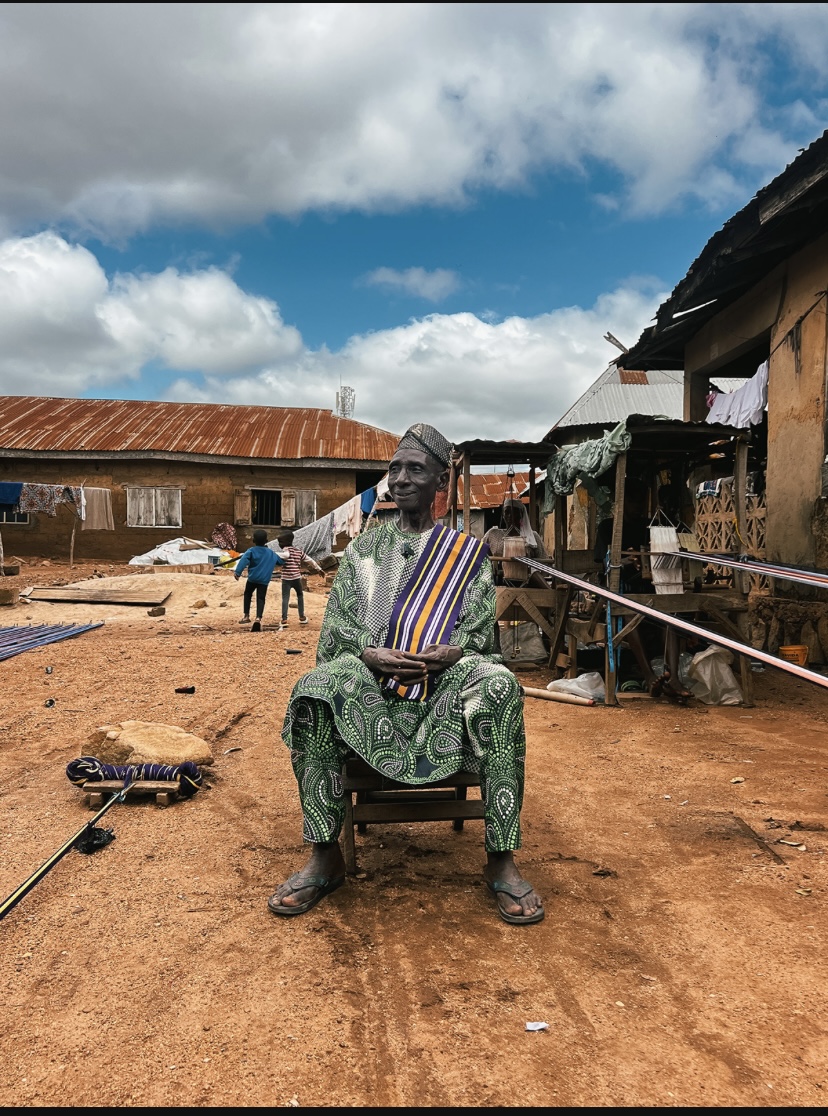
Multidisciplinary artist Ofulue E.E Ife (@ife69) draws from Iseyin’s weaving tradition and textile heritage to create a bold portfolio melding photography, pattern, and cultural memory.
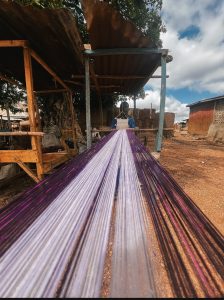
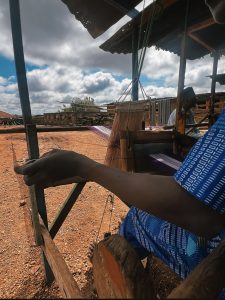
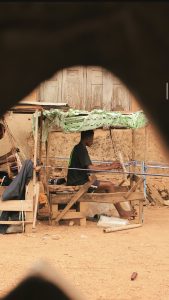
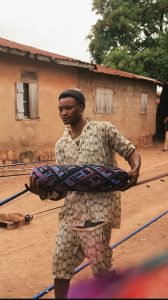
Emerging Nigerian artist and photographer Ofulue E.E Ife (Instagram: @ife69) unveils “Iseyin Asoke,” a visual portfolio rooted in the cultural richness of Iseyin, Oyo State, and the enduring legacy of Aso Oke / Aso Ofi textiles.
Screenshot
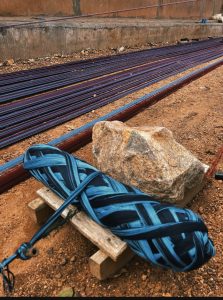
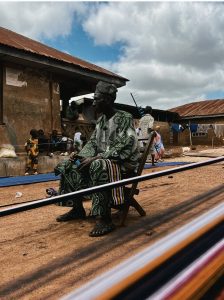
A Brief History of Aso Oke and Iseyin Aso Oke
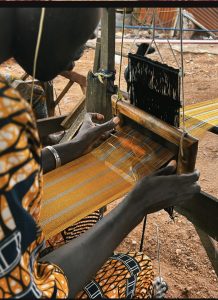
Aso Oke translate as “Top Cloth” also called “Aso Ofi” meaning “Hand-woven Cloth. Aso Oke (Aso Ofi) is a traditionally handwoven fabric that has, for centuries, stood as a symbol of Yoruba culture and identity. The name literally means “top cloth” (hand-woven cloth) in English, reflecting its prestige as the fabric reserved for special occasions like weddings, festivals, chieftaincy titles, and coronations. Traditionally woven from cotton and sometimes silk, Aso Oke is known for its rich colors, intricate patterns, and cultural symbolism.
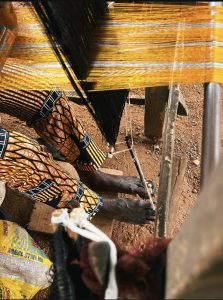
The craft of weaving Aso Oke dates back to the 15th century, with origins traced to Oyo, Iseyin, and other Yoruba towns. Among these, Iseyin in Oyo State has earned a reputation as the home and heartbeat of Aso Oke weaving. For generations, Iseyin weavers have preserved the techniques of handloom weaving, passing them down from parents to children. The town’s looms are famous for producing some of the finest Aso Oke fabrics in Nigeria.
Over time, styles of Aso Oke have evolved from the classic Sanyan (woven with beige silk and cotton), to Etu (deep indigo patterns), and Alaari (rich red designs). Today, Iseyin continues to lead in Aso Oke production, balancing tradition with modern innovations, as designers reinterpret the fabric for contemporary fashion while keeping its cultural essence intact.
In essence, Aso Oke is more than fabric it is heritage, identity, and pride of the Yoruba people, with Iseyin as its enduring home.
“Iseyin Asoke” by Ife Ofulue
Describing himself as an “abnormal multidisciplinary artist,” Ife works in photography, art direction, and printmaking. The artist offers prints and commissions, suggesting that their works are both visually expressive and crafted with purpose. Ife’s Portfolio hints at the themes and aesthetic direction: vibrant fabrics, local weaving communities, texture, and place.
One reel from the account reminds viewers: “Iseyin is regarded as the home of Aso Ofi … the popular fabric is abundantly made in this part of Oke Ogun.” Another post shows local, cultural dignitaries visiting Iseyin, underscoring the community’s commitment to preserving weaving traditions.
Themes & Aesthetic Insight
I. Textile & Pattern: The work appears to draw heavily from the texture, color, and pattern inherent in traditional fabrics.
- Place & Cultural Heritage: Iseyin’s weaving crafts and community appear central not just as backdrop but as “an identity”.
III. Multidisciplinary / Process: Use of photography, art direction, documentary or “process” visuals suggests that, Ife Ofulue is interested not only in final images, but in the story of making: how fabric is woven, dyed, worn and displayed.What the Artist Offers & Audience Asks
Though this portfolio:
The artist’s portfolio goes beyond simple textile presentation; it positions Aso Oke as both an art form and a living heritage. By offering prints for collectors, welcoming custom commissions, and engaging directly with audiences who value cultural authenticity, the work bridges tradition with modern appreciation. The emphasis on Iseyin’s weaving legacy resonates with a community of admirers who see in Aso Oke not just fabric, but identity, pride, and storytelling. This connection has drawn interest from cultural enthusiasts, local leaders, and heritage advocates who view the artist’s work as a continuation of Yoruba history expressed through contemporary creativity.
Why “Iseyin Asoke” Matters
I. It celebrates material culture: fabrics, weaving, dyeing art forms that are often craft‑based and underrepresented in high‑art narratives.
II. It ties identity to place: Iseyin is not just referenced; it is honoured. That anchoring helps preserve intangible culture and opens dialog with younger artists.
III. The multidisciplinary approach suggests breadth: bridging photography, documentary, lucid visual narrative giving texture both literally and thematically.
What To Watch For
The artist’s portfolio goes beyond simple textile presentation; it positions Aso Oke as both an art form and a living heritage. By offering prints for collectors, welcoming custom commissions, and engaging directly with audiences who value cultural authenticity, the work bridges tradition with modern appreciation. The emphasis on Iseyin’s weaving legacy resonates with a community of admirers who see in Aso Oke not just fabric, but identity, pride, and storytelling. This connection has drawn interest from cultural enthusiasts, local leaders, and heritage advocates who view the artist’s work as a continuation of Yoruba history expressed through contemporary creativity.