The Inspector-General of Police, Kayode Egbetokun, has announced the withdrawal of over 11,000 police officers previously assigned to VIPs across the country, in a sweeping move aimed at strengthening Nigeria’s frontline security operations. The decision marks one of the most significant policing reforms in recent years as the Federal Government intensifies efforts to reclaim manpower for public safety amid escalating threats nationwide.
Speaking at a security briefing in Abuja, the IGP confirmed that 11,566 officers have been recalled from VIP protection units, stating that the Nigeria Police Force (NPF) can no longer afford to allocate such a large percentage of its operational workforce to individuals at the expense of community security.
Egbetokun said:
“We have withdrawn a total of 11,566 officers from VIP duties. These personnel are being redeployed immediately to core policing responsibilities across the federation.”
The move follows rising security concerns and pressure from civil society, security analysts, and state authorities, who have long criticized the heavy deployment of police escorts to politicians, business elites, and private individuals. According to sources, nearly 25% of police manpower was previously tied down in VIP protection, creating severe shortages in rural communities and urban crime hotspots.
The Inspector-General described the measure as crucial to restoring balance:
“The safety of the general population must take priority. We cannot continue to have police officers concentrated with VIPs while communities lack adequate protection.”
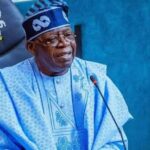
The recall is also aligned with President Bola Tinubu’s broader security directives aimed at dismantling bandit networks, improving response time to emergencies, and restoring police visibility across states battling rising criminality.
Under the new arrangement, those requiring personal security support including politicians, executives and influential individuals will now rely more heavily on the Nigeria Security and Civil Defence Corps (NSCDC) or licensed private security outfits.
The NPF clarified that only individuals constitutionally entitled to police protection, such as the President, Vice President, governors, heads of courts, and a limited number of federal officials, will retain police escorts.
The redeployment is expected to significantly improve police presence in vulnerable areas, especially in states like Zamfara, Kaduna, Benue, Plateau, Niger and parts of the South-East, where criminal attacks have surged in recent months.
Security experts have long warned that Nigeria’s policing shortages were not just a recruitment problem but an allocation crisis with too many officers attached to VIP convoys while ordinary citizens faced insecurity.
Human rights groups and community leaders have welcomed the decision, calling it “long overdue” and “a necessary correction to a longstanding imbalance.”
However, some VIPs reportedly expressed reservations about the change, particularly in high-risk regions. Sources within the NSCDC say demand for officers has increased sharply since the announcement.
The withdrawal aligns with the government’s plan to recruit 30,000 new police officers over the next year, modernize policing equipment, and strengthen intelligence networks nationwide.
Analysts say the success of the reform will depend on funding, proper deployment, continuous oversight, and tackling corruption within the escort-assignment system.
With over 11,000 officers now back in mainstream policing, Nigerians are hopeful that the shift will translate into improved safety, quicker emergency response, and enhanced confidence in the police. Whether these expectations are met will become evident in the coming months as redeployed personnel hit the streets and communities long left underserved.