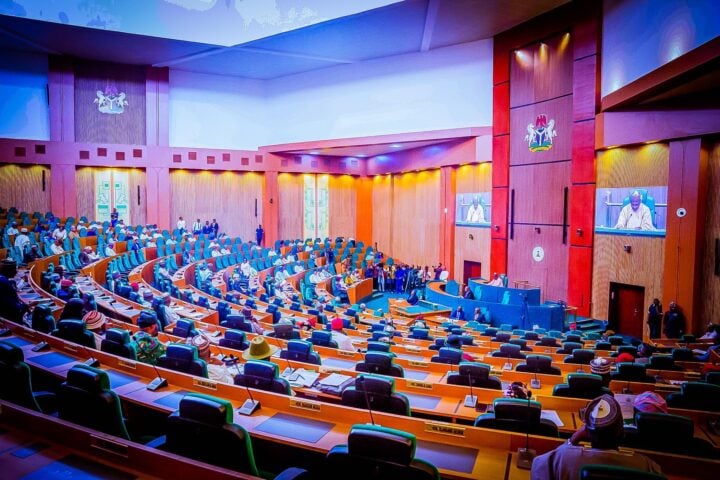
The House of Representatives has raised serious concerns over the alleged alteration of Nigeria’s tax laws, warning that unauthorised changes to legislated tax provisions could undermine fiscal transparency, weaken revenue collection, and violate constitutional processes.
Lawmakers sounded the alarm during a plenary session, following reports that certain tax laws and fiscal provisions passed by the National Assembly may have been modified at implementation stages without legislative approval. The development has sparked renewed debate over governance, accountability and the rule of law in Nigeria’s tax administration system.
Members of the House cautioned that any alteration of tax laws outside the National Assembly could lead to significant revenue leakages, distort government financial planning and create uncertainty for businesses and investors.
According to lawmakers, Nigeria’s tax framework which includes statutes such as the Companies Income Tax Act, Value Added Tax Act, and other revenue laws must be implemented strictly as passed by parliament to preserve legislative authority and economic stability.
The House has called for an immediate investigation to determine:
- the nature and extent of the alleged alterations,
- the agencies or individuals responsible,
- whether the changes were deliberate or procedural errors,
- and the financial impact on federal revenue.
Some lawmakers urged the relevant committees on Finance, Justice, and Public Accounts to summon key officials from revenue-generating agencies for clarification.
They stressed that only the National Assembly has the constitutional authority to amend tax laws, warning that any deviation from this process constitutes a breach of legislative privilege.
Legal experts say the allegation raises fundamental constitutional questions. Under Nigeria’s 1999 Constitution, tax laws can only be enacted or amended through a legislative process involving both chambers of the National Assembly and presidential assent.
Any unilateral adjustment at the executive or administrative level, analysts argue, could expose the government to legal challenges and erode public trust in fiscal governance.
Lawmakers emphasised that policy circulars or administrative guidelines cannot override Acts of Parliament, especially on matters affecting taxation and public finance.
Industry stakeholders warn that uncertainty around tax laws could discourage investment and complicate compliance for businesses operating in Nigeria. Tax experts note that consistent, predictable tax policy is essential for economic growth, especially at a time when the government is seeking to boost non-oil revenue and attract foreign direct investment.
Small and medium-sized enterprises (SMEs) are particularly vulnerable, as frequent or unclear tax changes increase compliance costs and reduce profitability.
Although no specific agency was officially named during the debate, lawmakers said relevant government institutions would be formally engaged to clarify the situation.
The House is expected to issue resolutions mandating full disclosure of all implementation guidelines tied to existing tax laws, ensuring alignment with what was passed by parliament.
Observers believe the outcome of the probe could lead to stronger legislative oversight of tax administration and possible sanctions if wrongdoing is established.
The alarm raised by the House of Representatives over alleged alterations of Nigeria’s tax laws underscores growing concerns about fiscal accountability and respect for legislative authority. As investigations begin, the development is expected to test the strength of Nigeria’s democratic institutions and shape future oversight of tax policy implementation.
For businesses, investors and citizens alike, lawmakers insist that transparency and strict adherence to the law remain non-negotiable pillars of Nigeria’s economic governance.