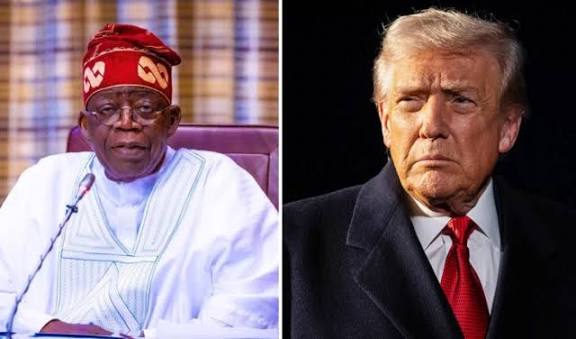
The Federal Government of Nigeria has entered into diplomatic discussions with the United States following comments by former U.S. President Donald Trump threatening potential military action over alleged persecution of Christians in Nigeria.
Nigeria’s Minister of Foreign Affairs, Yusuf Tuggar, confirmed that talks are underway between both nations to address the escalating tensions triggered by Trump’s controversial remarks. Speaking from Abuja on Monday, Tuggar described the statements as “reckless and unsubstantiated,” adding that Nigeria remains committed to protecting all citizens irrespective of religion or ethnicity.
According to the minister, President Bola Ahmed Tinubu has directed the Ministry of Foreign Affairs and Nigeria’s diplomatic mission in Washington, D.C., to engage U.S. authorities to clarify the nation’s position and reaffirm its commitment to human rights and religious freedom.
“The Nigerian Constitution guarantees freedom of religion and forbids persecution on any grounds,” Tuggar emphasized. “Our focus remains on national unity, peace, and mutual respect in international relations.”
Trump’s comments, made during a campaign event earlier this month, alleged that Christians in Nigeria were facing what he termed “systematic genocide,” and warned that if elected, his administration would “not hesitate to use force” to protect them. The statement has since drawn global condemnation, with analysts warning it could inflame sectarian tensions in Africa’s most populous country.
The U.S. Department of State, in a cautious response, distanced itself from the remarks, noting that Trump is a private citizen and not a representative of the U.S. government. “These statements do not reflect the official position of the United States,” a spokesperson said.
Meanwhile, Nigerian lawmakers have urged calm, emphasizing diplomacy over confrontation. Deputy Senate President Barau Jibrin called on Trump to apologize for what he described as “irresponsible and inflammatory rhetoric that undermines Nigeria’s sovereignty.”
Civil society organizations and religious leaders have also weighed in, warning against politicizing religion and urging both governments to focus on strengthening security cooperation to combat terrorism and extremism in northern Nigeria.
As discussions continue, observers hope that constructive diplomacy will defuse tensions and reinforce U.S.–Nigeria relations, which have long been anchored on shared democratic values, security collaboration, and economic development.