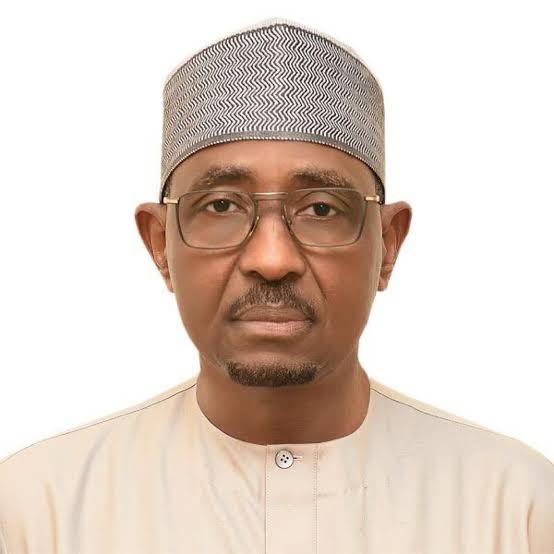
The Chief Executive Officer of the Nigerian Midstream and Downstream Petroleum Regulatory Authority (NMDPRA), Engr. Farouk Ahmed, has denied allegations that he financed his children’s education abroad with illicit funds, describing the claims as misleading and timed to undermine regulatory reforms in the petroleum sector.
In a statement issued on Tuesday, December 16, 2025, Ahmed said the allegations were unfounded and welcomed scrutiny of his finances, stressing that his three decades of service in Nigeria’s petroleum sector were built on merit, professionalism and integrity.
Ahmed said he joined the public service in 1991 through a competitive civil service examination and rose through the ranks from a junior engineer in the Department of Petroleum Resources to his current position as NMDPRA Chief Executive. He noted that his career spanned multiple administrations and was guided by national interest rather than political considerations.
He explained that claims suggesting he spent about $5 million on his children’s education in Switzerland were inaccurate. According to him, three of his four children benefited from merit-based scholarships covering between 40 and 65 per cent of tuition costs, while additional support came from family education trust funds established by his late father.
Read Also: Dangote Announces Petrol Price to ₦739 Per Litre Nationwide
The NMDPRA CEO said his personal contribution to the education expenses was consistent with his earnings and long-term savings, noting that his annual compensation, including allowances, is about ₦48 million and is publicly documented in audited reports.
Ahmed disclosed that he has consistently submitted asset declarations to the Code of Conduct Bureau since entering public service and has authorised educational institutions attended by his children to release relevant financial records to Nigerian authorities if required.
He linked the allegations to recent regulatory actions by the NMDPRA, including stricter licensing requirements, enforcement of quality standards and measures aimed at improving transparency in fuel supply and pricing. He described the timing of the claims as “not coincidental,” arguing that reforms had disrupted entrenched interests that benefited from regulatory opacity.
On fuel import licences, Ahmed said approvals granted by the Authority were in line with the Petroleum Industry Act, which mandates the regulator to ensure supply security and prevent scarcity when domestic supply is inadequate.
The NMDPRA CEO formally invited the Code of Conduct Bureau to review his asset declarations, called on the Economic and Financial Crimes Commission to examine his financial records, and urged the National Assembly to exercise its oversight powers over his tenure.
He reaffirmed his commitment to regulatory independence, stating that he would not compromise statutory duties or grant preferential treatment to any individual or organisation.
Ahmed said he would fully cooperate with any genuine investigation and expressed confidence that both his financial records and professional conduct would withstand scrutiny.