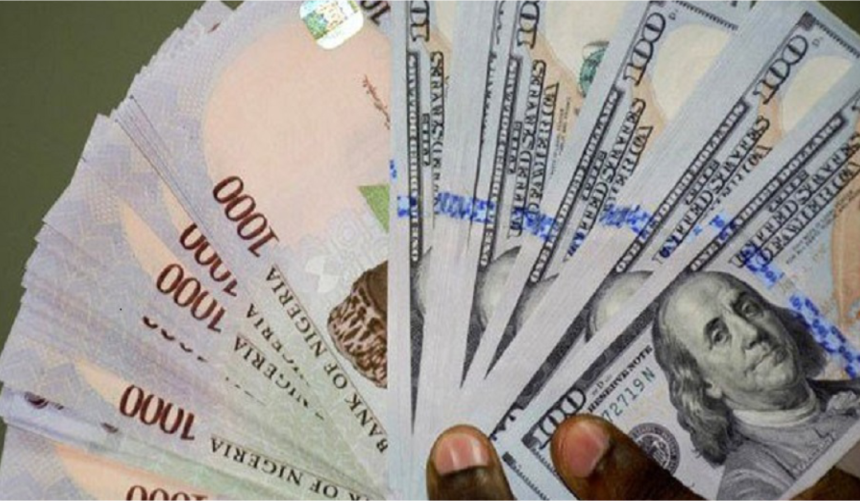
The exchange rate between the U.S. dollar (USD) and the Nigerian naira (NGN) exhibits the usual divergence between official (market / interbank) values and black / parallel market rates. The rate you get depends heavily on which channel you use to buy or sell dollars; banks, export windows, foreign exchange platforms, or informal markets.
Below is the latest data, key trends, and what drives the spread.
On October 1, 2025, USD to NGN traded at ₦1,484.6823 on the formal exchange rate platform, reflecting a slight decrease from prior days.
According to Investing.com, on the same date, USD/NGN closed around ₦1,482.66, with intraday lows and highs between ~₦1,477.70 and ₦1,485.50.
Trading Economics reports that the USD/NGN rate was ₦1,484.00 on October 1.
The Central Bank of Nigeria (CBN) posts previous interbank / NFEM (Nigerian Foreign Exchange Market) rates. For example, on September 26, the NFEM rate was ₦1,480.6570 / USD.
On a site tracking CBN rates, the USD/NGN official rate on October 1 was set around ₦1,475.3473 in one listing.
Given these data points, the formal market rate in early October 2025 hovers roughly between ₦1,480 and ₦1,490 per USD.
Black / Parallel / Bureau-de-Change Markets
- Some sources list the black market rate (Aboki / street) for USD to NGN around ₦1,490 for selling (i.e., what buyers pay) and ₦1,475 for buying (i.e., what sellers receive).
- Earlier data suggest similar spreads: black-market USD to NGN at 1,490 in multiple aggregators.
- Note: black market rates fluctuate much more and can deviate widely based on location (Lagos, Abuja, border towns) and availability of dollars.
Market Segmentation & Supply Constraints: The formal or interbank market is regulated, subject to foreign exchange allotments, importers’ demand, and central bank interventions. The parallel market is driven by demand from individuals, remittances, dollar hoarding, and speculative behavior.
CBN / Policy Interventions: The Central Bank intervenes in the FX market sometimes by selling dollars, adjusting policy rates, or managing liquidity to stabilize the naira or close excessive spreads. Recent adjustments in interest rates and forex windows influence the rate dynamics.
Inflation, External Shocks & Confidence: High inflation, global volatility, and changes in oil revenue (Nigeria being an oil exporter) affect forex demand and supply. When external pressures intensify, demand for hard currency (USD) rises, pushing the naira weaker in less regulated markets.
Expectations & Speculation : Traders and parametric actors often anticipate rate moves in advance, which can widen the gap between formal and informal channels.
If you transact via a bank or formal forex window (for imports, exports, official transfers), expect to see rates closer to the ₦1,480–₦1,490 range for USD.
If you buy or sell in the street / black market, you may pay up to ₦1,490 or more per USD, depending on urgency and liquidity.
For budgeting, travel, or remittances, use a conservative estimate (i.e. a higher rate) in planning since informal markets often demand premium.
Over 2025, the USD/NGN rate has seen both surges and periods of mild recovery. The exchange-rates.org average for 2025 is cited at ~₦1,540.57 / USD.
The highest USD/NGN in 2025 has been recorded at ₦1,607.05 on some days.
The CBN recently cut its Monetary Policy Rate by 50 basis points (bps) to 27% in September, marking its first easing move. This shift reflects an attempt to stimulate the economy and may impact exchange rate pressures.
As of October 3, 2025, the official USD/NGN rate is likely in the ₦1,480 to ₦1,490 range, while black market rates hover higher, often around ₦1,490 or more for buyers. The spread remains driven by demand pressures, central bank policy, and varying access to foreign exchange channels.