By Kabiru Abdulrauf
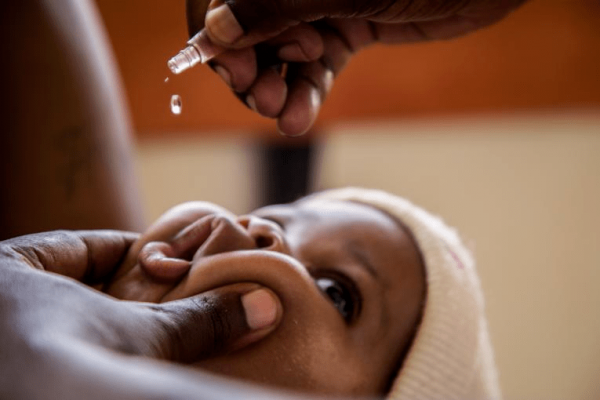
As Nigeria deepens efforts to safeguard its next generation, the Federal Government has launched a sweeping immunisation campaign targeting 16 million children across the country. The initiative, flagged off at the State House Banquet Hall in Abuja, represents one of the most ambitious public health drives in recent years combining measles, polio, HPV, and other vaccine interventions under a single national framework.
The integrated campaign aims to eliminate measles by 2030, a target aligned with global health commitments to end preventable child deaths. It focuses on strengthening routine immunisation, improving disease surveillance, and deploying innovative technologies to reach underserved communities.
Children between the ages of nine months and 14 years are the primary beneficiaries of the Measles Rubella vaccines, while the programme also incorporates interventions against neglected tropical diseases, particularly in hard-to-reach rural areas.
The launch brought together a cross-section of national and traditional leaders including the Sultan of Sokoto, His Eminence Sa’ad Abubakar, the Ooni of Ife, Oba Adeyeye Enitan Ogunwusi, and the President of the Christian Association of Nigeria, Daniel Okoh alongside representatives of international partners such as WHO and UNICEF.
Their presence underscored the collaborative nature of the campaign, which blends federal coordination with grassroots mobilisation.
Health experts say the drive could mark a turning point in Nigeria’s long-standing battle against vaccine-preventable diseases. With recurring measles outbreaks and polio re-emergence in pockets of the country, the government’s renewed focus on immunisation is both a moral imperative and a public health necessity.
Beyond the statistics, this campaign carries a deeper promise that every Nigerian child, regardless of geography or circumstance, deserves a healthy start and protection from diseases that no longer have a place in the 21st century.