Washington is once again redrawing the geopolitical map of the global energy market, this time by attaching far-reaching political conditions to Venezuela’s hopes of reviving its battered oil industry.
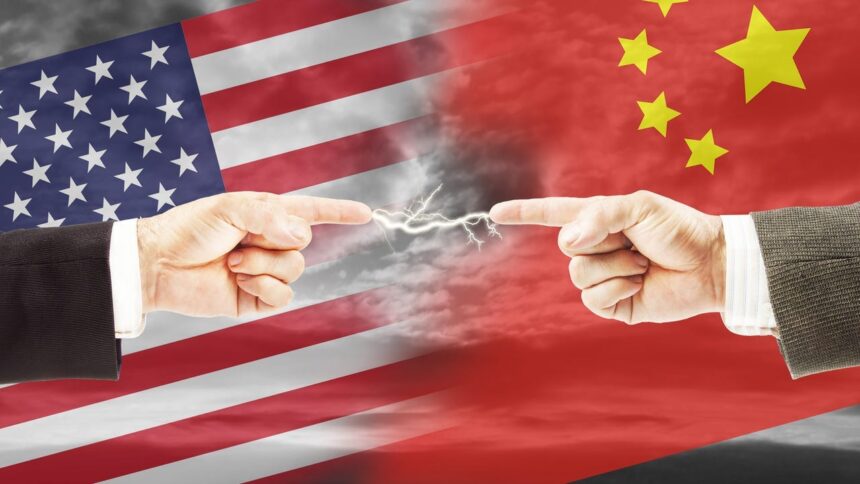
The United States laid out a new set of demands for Caracas, making it clear that any meaningful reopening or expansion of Venezuelan oil production and exports will come at a steep diplomatic price: a decisive reduction in the country’s strategic and economic ties with China, Russia, Iran and Cuba.
According to reports citing US officials, the proposal goes well beyond technical oil-sector reforms. At its core is a push to reorient Venezuela’s energy future firmly towards the United States.
Washington wants an arrangement under which Venezuela prioritises oil sales to the US market and enters into what has been described as an exclusive energy partnership with American companies.
Heavy crude sales, long a cornerstone of Venezuela’s export profile, would be steered primarily toward US buyers, reshaping trade flows that for years have leaned heavily towards Asia, particularly China.
Speaking to lawmakers, Secretary of State Marco Rubio reportedly pointed to Venezuela’s constrained options, noting that storage facilities are near capacity and that the country faces mounting financial pressure if it cannot reliably sell its crude.
With sanctions still biting and production infrastructure in need of investment, the oil sector remains both Venezuela’s lifeline and its greatest vulnerability.
Senator Roger Wicker, chairman of the US Senate Armed Services Committee, told Newsmen that the administration’s goal is to exert control over Venezuelan oil arrangements through diplomatic and economic tools, not military force.
President Donald Trump has framed the plan as mutually beneficial, saying Venezuela would transfer between 30 million and 50 million barrels of oil to the United States, to be sold at market prices with proceeds managed by Washington. In his telling, the arrangement would stabilise Venezuela’s oil revenues while strengthening US energy security and influence in the Western Hemisphere.
Critics, however, see a model that places extraordinary control over a sovereign nation’s primary resource in foreign hands.
Despite holding the world’s largest proven oil reserves, the country has seen output and exports collapse over the past decade due to economic mismanagement, decaying infrastructure and sweeping international sanctions.
In that vacuum, China emerged as a critical partner , extending loans, investing in infrastructure and becoming a major buyer of Venezuelan crude. Those ties helped keep the oil flowing when Western markets closed their doors.
Beijing has reacted sharply to Washington’s demands, condemning them as a violation of Venezuela’s sovereignty and international norms. Chinese officials have criticised the push for an exclusive US partnership and the call for Caracas to sever ties with long-standing allies, warning against what they describe as coercive diplomacy dressed up as economic cooperation.
As negotiations unfold, Venezuela finds itself once again at the centre of a larger contest between global powers.
The country’s oil vast, heavy and politically charged is no longer just a commodity, but a bargaining chip in a broader struggle over influence, alliances and the future shape of the international energy order.
Whether Caracas can extract economic relief without surrendering strategic autonomy remains the unanswered question at the heart of Washington’s latest move.