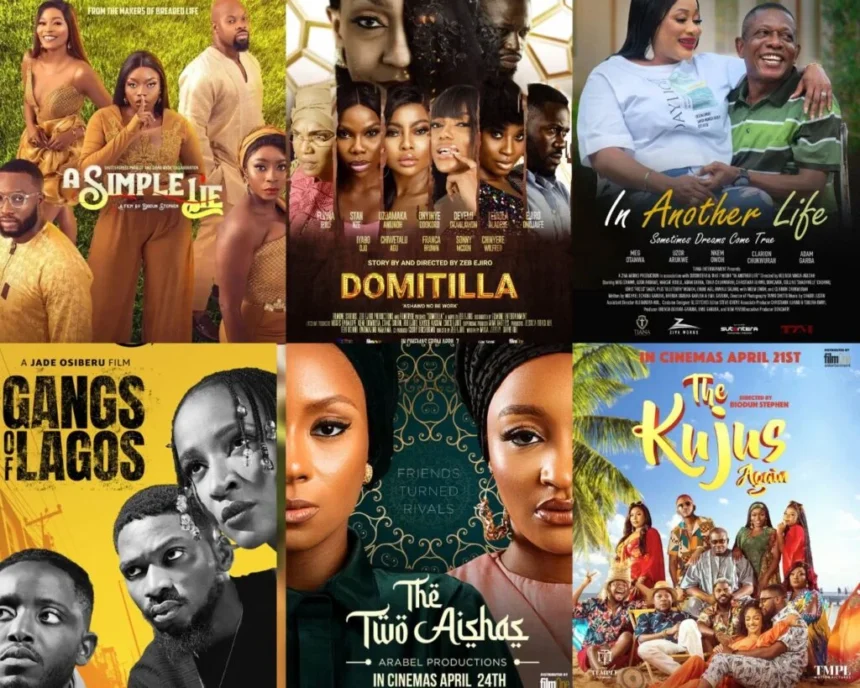
Nigeria’s film industry, Nollywood, has for years been celebrated for its prolific output and cultural impact across Africa and the diaspora. Yet beneath the glitz of premieres and blockbusters lies a storm of frustration, one that’s played out not just in boardrooms but on Instagram Lives, Twitter/X threads, and heated cinema foyers.
A fresh flashpoint came late in the 2025 holiday season when Toyin Abraham, one of Nollywood’s most prominent actresses and producers, openly accused several cinema chains of sabotaging the commercial run of her latest movie, Oversabi Aunty. During a live broadcast, she alleged that cinemas were placing her film in unfavourable time slots, like early mornings and late nights and even misleading patrons by claiming her showings were “sold out” so they would be redirected to other films instead. Abraham stressed that despite her investment in production and promotion, these tactics were cutting into her ability to make back money, a sentiment familiar to many in the industry.
Not long after Toyin spoke out, Ini Edo shared clips of moviegoers struggling to watch her film due to sudden showtime changes and misinformation at cinema counters. She described the experience as “deeply discouraging,” especially as a first-time producer who poured sweat and resources into the project.
These high-profile complaints have revived decades-old grievances about cinema practices in Nigeria, from opaque time-slot allocations to alleged bias in favour of certain films, which some say leave independent and mid-budget projects with little chance of reaching audiences.
Even before this recent round of accusations, actresses like Mercy Aigbe had publicly dubbed cinema behaviour “sabotage,” claiming that fans were discouraged from watching her film Thin Line at certain locations.
And though cinema owners, through industry spokespeople, have repeatedly argued that programming decisions are driven by demand and commercial logic rather than personal vendettas, the sense of unfairness persists among creatives and their audiences.
Jealousy, Rivalry, and the Online Backlash
Amid these industry tensions, social media has been a stage for fans and critics alike to weigh in sometimes in ways that blur commentary with personal attacks.
In years past, posts on Facebook and Instagram that seemed to pit Toyin Abraham against powerhouse filmmaker Funke Akindele (whose films have repeatedly shattered Nigerian box-office records) sparked conversations about jealousy and competitiveness among fans online. Some users interpreted Abraham’s remarks or celebratory posts as subtle jabs, leading to viral messages like “jealousy wan finish am” trending in some circles.
Abraham and Akindele have addressed rumoured feuds before, with Toyin at times explicitly debunking beef narratives and both parties calming tension publicly. There have even been moments of reconciliation, like the widely shared clip earlier in December 2025 of Toyin and another Nollywood star, Wumi Toriola, burying a long-running personal rift while promoting films at a cinema in Lagos, a moment some fans saw as symbolic of broader industry unity amid conflict.
Social platforms have thus become a space where personal reputation, fan loyalty, and industry disputes play out in real time, often complicating how audiences interpret creative competition and box-office struggles.
Why Cinemas Are No Longer Enough as Creators Look to YouTube
All this frustration isn’t happening in a vacuum. Around the globe, major streaming platforms like Netflix and Amazon have scaled back content deals and investments in African markets, leaving Nigerian filmmakers with fewer lucrative licensing options than just a few years ago.
That has accelerated a trend already underway: using YouTube as a primary distribution platform. Many Nollywood creators have discovered that, with cinemas offering limited financial return and international streamers becoming more selective, YouTube gives them a direct line to audiences, millions of viewers in Nigeria and beyond who consume content on mobile and desktop.
The logic is simple: YouTube’s ad-supported model means anyone can watch without subscription fees, and filmmakers can monetise views directly while keeping full control over their work. Successful creators, including so-called “YouTube Nollywood” producers, often pull in millions of views per release, and some have built entire careers on the platform.
For younger audiences in particular, watching Nollywood films on YouTube has become second nature, they share links, post memes, and even debate story quality in comment sections late into the night. This growing ecosystem has prompted some filmmakers to prioritise YouTube premieres, either exclusively or after abbreviated cinema runs in hopes of sidestepping what many feel is an outdated theatrical system.
The clash between producers and exhibitors, the noisy debates on social media, and the rising prominence of YouTube all show an industry at a crossroads. Nollywood continues to be wildly creative and culturally influential, but its old systems are straining under new economic realities. For filmmakers like Toyin Abraham, Ini Edo, Niyi Akinmolayan and others, speaking out is no longer just about one film or one season, it’s about pushing toward a Nollywood where creators can earn their due, audiences get fair access, and storytelling thrives across screens both big and small.