In recent weeks, international media outlets have been awash with alarming headlines of an alleged “Christian genocide” unfolding in Nigeria. The narrative, amplified by advocacy groups and political voices in the United States, has triggered diplomatic tension and even whispers of possible U.S. intervention. But as this story gains momentum abroad, many Nigerians are asking a more fundamental question: Why now and why Nigeria?
Nigeria, Africa’s largest economy and a growing energy powerhouse, has recently taken bold steps toward regional self-sufficiency. With new refineries coming online and increased capacity to distribute fuel across Africa, the nation is redefining its economic and geopolitical importance. For many observers, this newfound independence has altered traditional global power dynamics and not everyone is comfortable with that shift.
Skeptics of Washington’s growing rhetoric point to history, From Iraq to Libya, and more recently Sudan, where Western interventions have often been preceded by moral narratives of humanitarian rescue or protection that later unraveled into prolonged chaos and power vacuums.
“This is not new,” says international affairs analyst Dr. Nneka Balogun. “Whenever an African country begins asserting economic or political independence, the narrative suddenly shifts to ‘crisis,’ ‘atrocity,’ or ‘genocide.’ It’s a familiar playbook softening public opinion to justify intervention.”
Indeed, many Nigerians fear that framing complex domestic insecurity as a “religious war” could invite foreign military or political interference, undermining national sovereignty.
The situation also exposes contradictions within U.S. foreign policy itself, President Donald Trump, known for his “America First” doctrine, often condemned foreign entanglements and urged the U.S. to prioritize domestic affairs. Yet, in this new wave of rhetoric, some American politicians, particularly in conservative circles have called for “decisive action” in Nigeria under the banner of protecting persecuted Christians.
Critics argue that such calls blur the line between moral advocacy and geopolitical maneuvering. “It’s difficult to separate humanitarian concern from political interest,” says Ambassador Musa Ibrahim, a retired Nigerian diplomat. “Nigeria doesn’t pose a direct threat to the United States. What it does represent is an independent African voice, one increasingly capable of setting its own economic terms.”
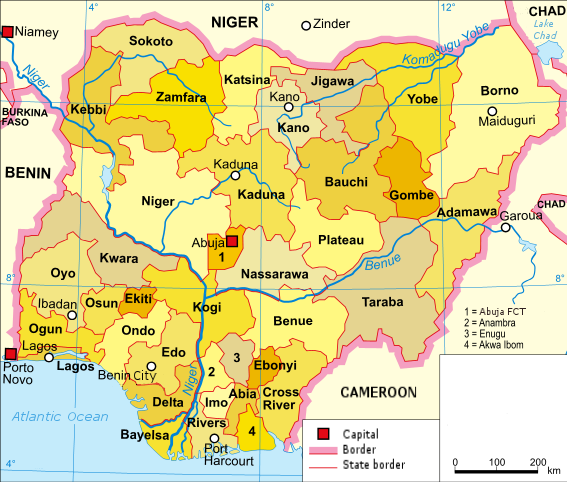
Experts within Nigeria continue to stress that the country’s conflicts, whether in the Middle Belt, the North, or the Niger Delta stem from a mix of poverty, poor governance, land disputes, and political exclusion, rather than religion alone. Oversimplifying these realities risks obscuring the deeper social and economic fractures that fuel unrest.
As global attention intensifies, Nigeria now faces a dual challenge: addressing its internal security problems while protecting its sovereignty from external manipulation. The stakes are high, not only for Nigeria’s unity but for Africa’s broader struggle to resist the ghosts of interventionism.
At the heart of this unfolding drama lies a defining question for the 21st century: Can African nations solve African problems without becoming pawns in global power games?
For Nigeria, the answer will shape not just its future, but the continent’s quest for genuine independence, political, economic, and narrative alike.