The United Nations has lauded the Federal Government of Nigeria for making significant progress in addressing the plight of internally displaced persons (IDPs) across the country, particularly in the conflict-affected North-East region.
In a statement released in Abuja on Thursday, the UN Resident and Humanitarian Coordinator for Nigeria, Mr. Mohamed Malick Fall, praised the government’s continued commitment to restoring dignity, stability, and livelihoods to millions of Nigerians displaced by insurgency, banditry, and natural disasters.
“The United Nations commends the Government of Nigeria for its sustained efforts to provide safety, rehabilitation, and reintegration opportunities for internally displaced persons,” Fall said. “While challenges remain, the progress made in housing, education, and community rebuilding is a testament to the country’s resilience and leadership.”
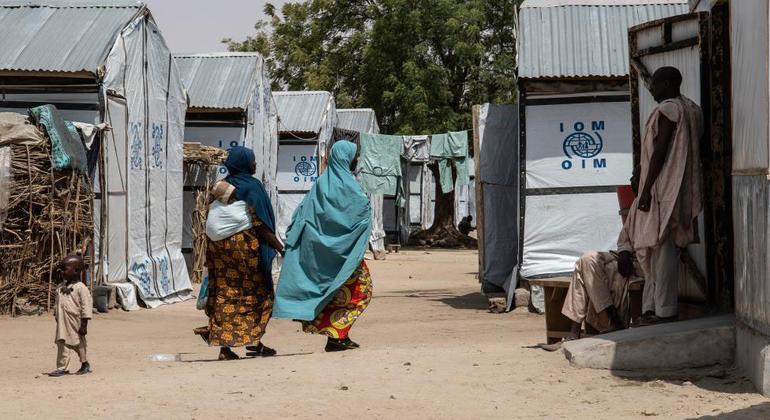
Nigeria has one of the highest numbers of internally displaced persons in Africa. According to data from the International Organization for Migration (IOM), over 3.3 million Nigerians are currently displaced within the country, with the majority living in camps or host communities in Borno, Adamawa, and Yobe States areas severely affected by over a decade of Boko Haram insurgency and other forms of insecurity.
The displacement crisis has expanded in recent years to include victims of bandit attacks in the North-West, farmers-herders conflicts in the Middle Belt, and floods in several southern states. The humanitarian burden has strained national and local resources, prompting calls for more coordinated and sustainable interventions.
The Federal Government, through the Ministry of Humanitarian Affairs and Poverty Alleviation and the National Commission for Refugees, Migrants, and Internally Displaced Persons (NCFRMI), has launched several initiatives to support IDPs.
Among these are:
- The National Policy on IDPs, which sets a framework for protection, welfare, and resettlement.
- The North-East Stabilization and Development Master Plan, designed to rebuild communities destroyed by insurgency.
- The Renewed Hope Shelter Project, which provides temporary and permanent housing for displaced families.
- Skill acquisition and empowerment programs aimed at reducing dependence on aid.
Mr. Fall noted that the UN and its partners have observed improved coordination between federal and state authorities, resulting in more efficient delivery of humanitarian assistance. He specifically highlighted the rehabilitation of Bama, Gwoza, and Dikwa communities in Borno State as examples of visible recovery.
“The rebuilding of schools, health centers, and roads in the North-East signifies a return of hope,” he said. “The collaboration between the Nigerian government, humanitarian agencies, and local communities has been essential to this progress.”
The United Nations Office for the Coordination of Humanitarian Affairs (OCHA) estimates that around 8.3 million Nigerians still require humanitarian aid in 2025, with women and children making up over 80% of the affected population.
Despite improvements, many IDPs continue to face critical challenges such as limited access to healthcare, clean water, and education. Security concerns have also hindered the safe return of displaced persons to their ancestral homes.
Ms. Mathilda Bogner, Representative of the UN High Commissioner for Human Rights (UNHCHR) in Nigeria, emphasized that the protection of vulnerable groups must remain a top priority.
“The UN welcomes the Nigerian government’s efforts, but there is still an urgent need to strengthen accountability, improve camp management, and ensure that returns are voluntary, safe, and dignified,” she said.
In the Gubio Road IDP Camp in Maiduguri, some displaced families expressed cautious optimism.
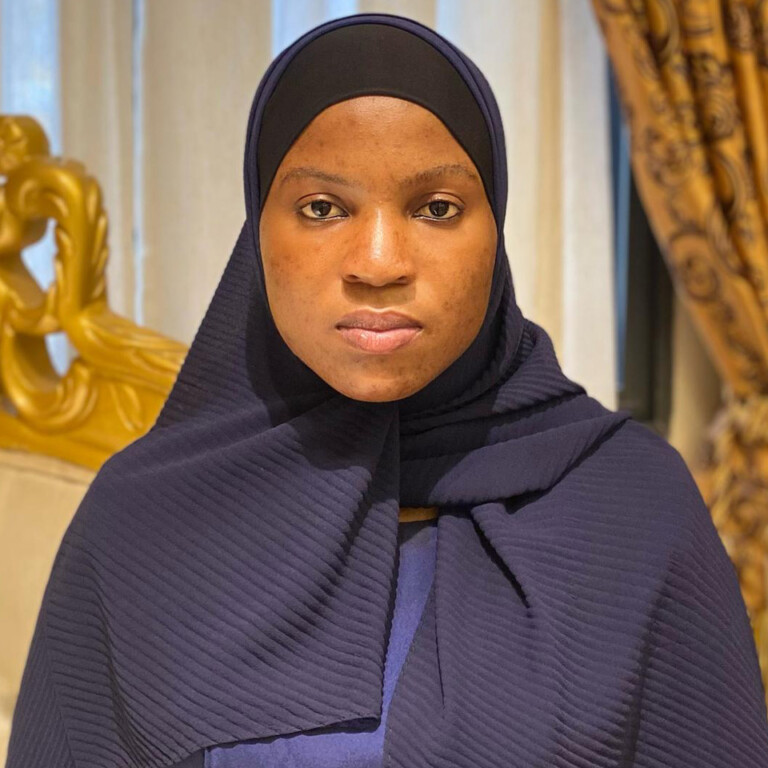
A 38-year-old mother of five, , who fled her hometown in Gwoza seven years ago, said life is gradually improving.
“The government has started new housing projects for some of us, and we now have better access to schools and clinics,” she said. “But we still need more help to return home safely.”
Another displaced farmer, praised the vocational training program introduced by the Ministry of Humanitarian Affairs. “I have learned tailoring and now earn a small income,” he said. “Before, I had nothing to do in the camp.”
The United Nations continues to support Nigeria’s humanitarian response through agencies like UNHCR, UNICEF, UNDP, and WFP. These organizations are working alongside the government to provide food, shelter, psychosocial support, and livelihood opportunities for displaced families.
Recently, the UN launched the Nigeria Humanitarian Response Plan 2025, seeking $1.2 billion in funding to assist over 6 million people in need. The plan focuses on durable solutions moving from emergency aid to long-term recovery, peace building, and development.
UNICEF has also expanded its education programs in conflict zones, ensuring displaced children continue learning through temporary schools and digital platforms.
Meanwhile, the Nigerian government says it is committed to closing IDP camps responsibly and reintegrating displaced citizens into safe, functional communities. The Federal Ministry of Humanitarian Affairs disclosed that more than 200,000 IDPs have been successfully resettled across 13 communities in Borno and Adamawa since 2023.
Humanitarian experts agree that sustained collaboration between government, local authorities, and international partners remains crucial. The root causes of displacement — insecurity, poverty, and climate change must also be addressed for long-term stability.
In his concluding remarks, Mr. Fall urged both Nigerian leaders and development partners to maintain the momentum. “The goal is not just to manage displacement, but to end it,” he said. “We must continue investing in peace, development, and resilience so that no Nigerian is forced to live as a stranger in their own country.”
Nigeria’s progress in addressing the plight of internally displaced persons represents a beacon of hope amid years of conflict and humanitarian strain. While enormous challenges remain, the recent UN commendation underscores the impact of sustained national commitment and international cooperation.
As the country continues its journey toward peace and reconstruction, every effort to restore dignity and stability to displaced citizens moves Nigeria closer to the dream of a safer, more united, and resilient nation.