Nigeria has officially assumed the leadership of the Intergovernmental Group of Twenty-Four (G-24), taking over from Argentina, with a commitment to push for inclusive global economic reform and fair representation for developing nations.
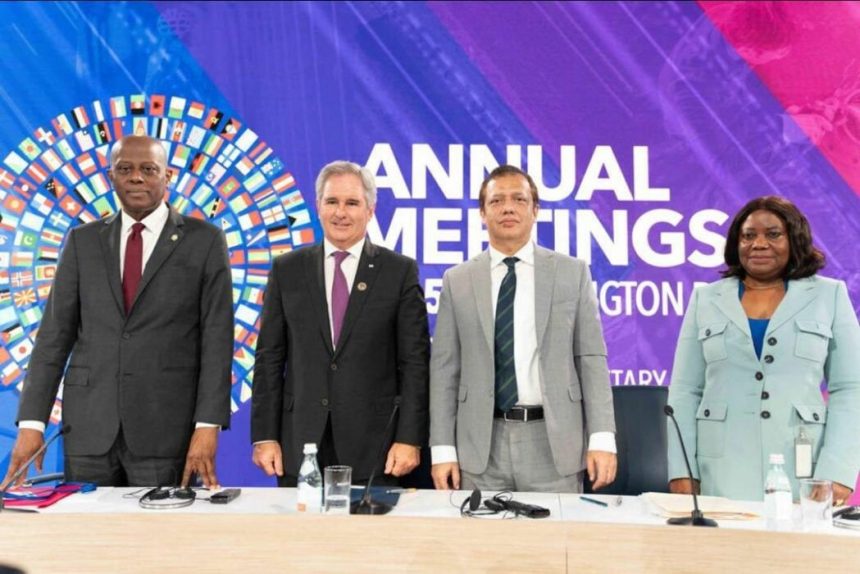
The handover took place during the 2025 World Bank and International Monetary Fund (IMF) Annual Meetings in Lima, Peru, where finance ministers and central bank governors from member countries convened to discuss pressing global economic challenges.
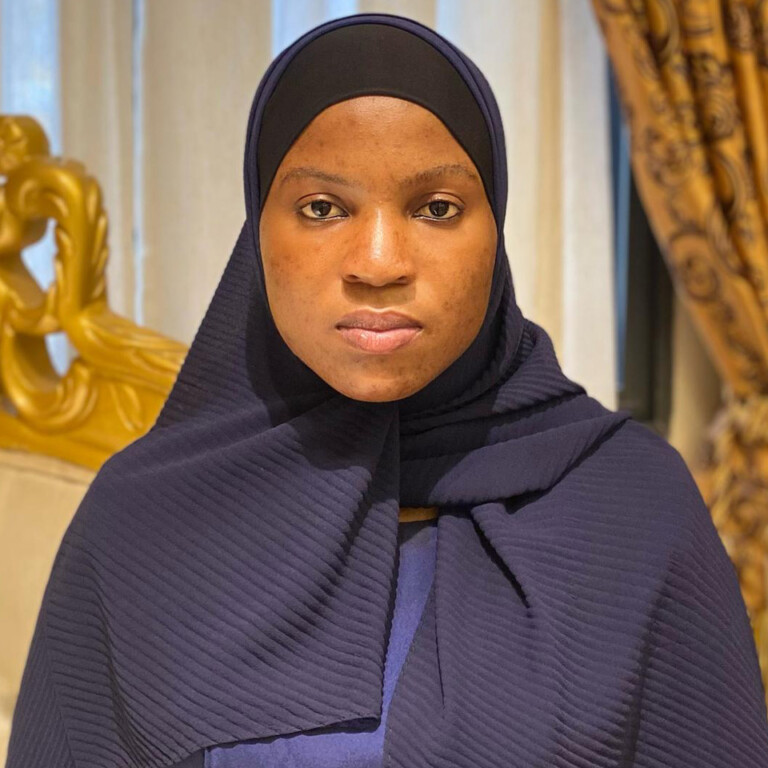
Nigeria’s Finance Minister, who represented the country at the high-level session, expressed appreciation for the confidence reposed in Nigeria to steer the affairs of the G-24, emphasizing that the new leadership would focus on strengthening the voice of developing economies in international financial institutions.
High Bank Charges, Multiple Taxes Top Business Constraints in Nigeria — CBN
“The G-24 has always been at the forefront of advocating fairness and inclusivity in global economic governance,” the Minister said. “Nigeria’s leadership will consolidate on these principles, ensuring that developing nations are not left behind in the global recovery and digital transition.”
Under its new role, Nigeria pledged to advance the group’s agenda on global tax fairness, climate financing, and debt sustainability issues that have remained critical to many low and middle-income economies. The country also promised to support ongoing reforms at the IMF and World Bank, aimed at providing more responsive financing tools to countries facing economic shocks.
Officials from Argentina commended Nigeria for its readiness to assume leadership, noting that the transition marks a significant step in amplifying Africa’s voice in multilateral economic decision-making.
CBN’s Cut to 27%: What It Means for Nigerian Banks, Moody’s Sounds the Alarm
Argentina’s outgoing chair remarked, “Nigeria’s emergence as chair reflects the growing importance of African nations in shaping the global financial architecture. We are confident that Nigeria will champion the cause of equitable development and reform.”
Nigeria’s leadership of the G-24 is viewed as a major diplomatic and economic milestone for the continent. As Africa’s largest economy, Nigeria’s growing influence in international financial forums has positioned it as a key advocate for issues such as resource mobilization, climate adaptation funding, and debt relief.
Economic analysts believe this move comes at a time when developing countries are seeking stronger representation in institutions like the IMF and World Bank, where voting power and policy decisions often favor advanced economies.
According to Dr. Adewale Ogunyemi, an economist based in Lagos, “Nigeria’s leadership of the G-24 provides an opportunity to align Africa’s developmental priorities with global policy frameworks. It also places Nigeria at the center of the conversation on financial inclusion and equitable resource distribution.”
The G-24, established in 1971, serves as a platform for developing countries to coordinate their positions on international monetary and financial matters. It aims to ensure that the interests of these nations are adequately represented in global economic discussions and policy outcomes.
With Nigeria now at the helm, the group is expected to strengthen its advocacy for a more balanced global financial system that addresses the structural challenges facing developing economies.
“Nigeria’s vision for the G-24 is anchored on partnership, innovation, and shared prosperity,” the Finance Minister added. “We are committed to building a global economy that works for all not just the privileged few.”
The country’s tenure as chair of the G-24 is expected to run through 2026, during which Nigeria will oversee several high-level policy dialogues and global economic review sessions.