Israel and Hamas have agreed to the first stage of a proposed ceasefire plan aimed at ending the ongoing conflict in Gaza. The plan, introduced by former U.S. President Donald Trump, includes steps such as the release of hostages and a temporary halt to fighting.
Both sides have accepted the initial phase, which reportedly involves the release of all hostages and a withdrawal of Israeli troops to a defined position. This marks a rare point of agreement after months of intense violence and growing international pressure.
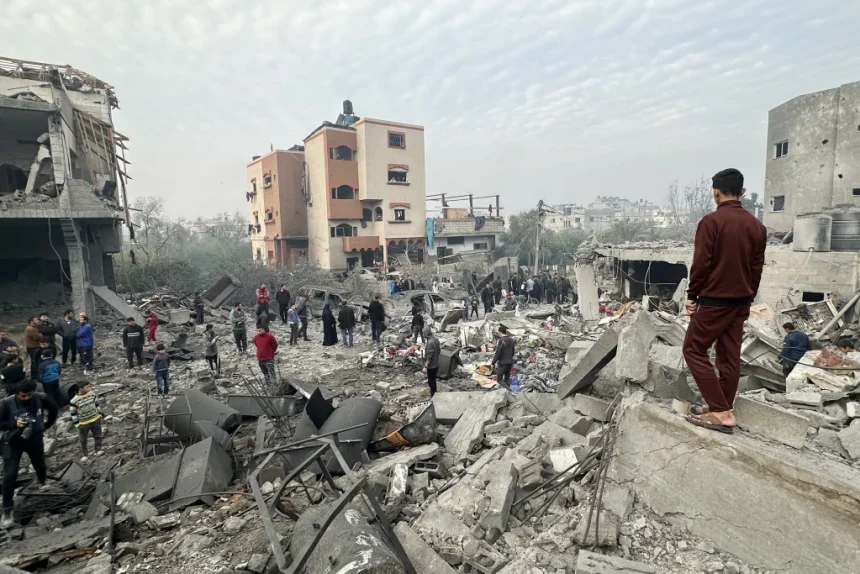
The full proposal, which includes around 20 points, outlines a broader road map toward ending the war. It includes commitments to allow humanitarian aid into Gaza, the release of Palestinian prisoners, and efforts to rebuild the heavily damaged territory.
Reactions to the agreement have been largely positive. Israeli President Isaac Herzog described the development as a major relief for families of the hostages, while Prime Minister Benjamin Netanyahu said it was a significant moment for the country and promised to ensure the return of the hostages.
Hamas, on its part, confirmed its support for the deal, stating that the group is committed to ending the war, facilitating the flow of aid, and securing the release of prisoners. However, it also stressed the importance of a complete withdrawal of Israeli forces from Gaza.
The United Nations Secretary-General António Guterres welcomed the agreement, calling it an important step and urging all parties to honor their commitments.
Several global leaders have echoed similar sentiments, emphasizing the need for quick implementation, particularly the delivery of aid and the protection of civilians.
Despite the breakthrough, there is cautious optimism. Previous ceasefire efforts have often collapsed due to renewed hostilities or lack of trust between the two sides.
For many observers, the success of this plan will depend on how faithfully the terms are carried out and whether deeper issues driving the conflict can be addressed.
As the first phase begins, attention now turns to how both parties will implement the deal on the ground and whether it can lead to a more lasting peace.