
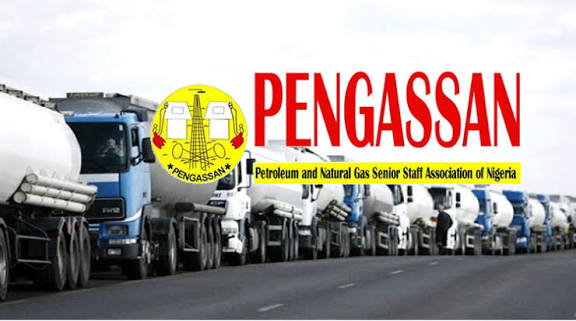
Nigerians face the real prospect of large-scale power outages from Monday after notices circulated to thermal power generators warning of imminent shutdowns linked to a national strike called by the Petroleum and Natural Gas Senior Staff Association of Nigeria (PENGASSAN).
The strike triggered by a labour dispute at the Dangote Refinery has prompted gas suppliers to tell generation companies (GenCos) to halt deliveries. Because gas-fired thermal plants supply the bulk of Nigeria’s electricity, a coordinated stoppage risks overloading the transmission grid and leaving millions without power.
“Thermal GenCos have received notification from our gas suppliers to shut down our thermal power plants following directives from PENGASSAN,” Joy Ogaji, executive secretary of the Association of Power Generating Companies (APGC), warned in a statement flagged by industry outlets. “Please all be notified of the imminent darkness hydro plants alone cannot sustain the grid.”
The immediate spark is PENGASSAN’s directive to stop crude and gas supplies to Dangote Refinery after the union accused the company of unlawfully sacking hundreds of Nigerian workers. In a letter and public statements, the union ordered branches to withdraw services and cut supplies related to the refinery. Reuters and local media reported that the union instructed members to halt loading operations headed to the facility.
That action has a knock-on effect. Thermal power stations rely on a steady flow of natural gas. If gas flows to plants are curtailed, operators are forced to reduce output or shut units completely for safety reasons. Hydroelectric dams which provide variable output and are sensitive to reservoir levels cannot immediately make up the shortfall at scale. As a result, system operators could be forced to implement wide-area load-shedding or face partial grid collapse.
An APGC notice and comments from energy stakeholders underline the severity: if thermal units are taken offline en masse, the grid will struggle to keep critical services running, analysts say.
If thermal generation is curtailed, the consequences would be felt across the economy:
Hospitals and clinics: Many public health facilities rely on grid power and limited backup generation. A sudden blackout puts critical care and cold-chain vaccines at risk.
Manufacturing and industry: Factories dependent on continuous power would face production stoppages and potential equipment damage.
Households and small businesses: Restaurants, shops and markets would struggle, and millions would face extended hours without electricity.
Services: Banks, telecoms and water systems could suffer disruptions, compounding hardship in urban centres.
Regulatory and government institutions moved swiftly to try to contain the fallout. The Nigerian Electricity Regulatory Commission (NERC) and the Ministry of Power were reported to be monitoring the situation and urging all parties to avoid actions that could destabilise the grid. Power sector sources say contingency plans including targeted load management and prioritising supply to hospitals and essential services were being reviewed.
Industry bodies are also urging an urgent dialogue between PENGASSAN, Dangote Refinery management, gas suppliers and federal authorities to find a short-term truce that prevents a shutdown of generation capacity.
A senior official at an independent power producer said, “There is a narrow window to avoid a blackout if we can keep gas flowing to key plants and rotate shortages in a controlled manner. A full shutdown of thermal plants would be catastrophic for the grid and the economy.”
PENGASSAN’s strike follows an explosive dispute with the Dangote Refinery over alleged mass sackings and the replacement of local staff with foreign labour, a claim the refinery has publicly disputed. The union says the dismissals contravene Nigeria’s labour laws and have vowed nationwide action that includes cutting supplies connected to the refinery operations. Dangote has described its actions as internal reorganisation affecting a limited number of staff.
Whatever the legal merits, the method chosen withdrawing gas and crude flows converts an industrial grievance into a national infrastructure threat.
Experts and industry players say several steps are urgent:
Immediate dialogue: Government mediators should convene union leaders, refinery management and key gas suppliers to broker an emergency ceasefire on supply interruptions.
Protect critical infrastructure: Authorities must prioritise gas flows to generation units that serve hospitals, water utilities and other lifeline services.
Transparent communication: Regulators should publish clear, localised outage forecasts and contingency plans so businesses and households can prepare.
Short and long-term labour remedy: Beyond immediate truce, a credible, independent review of the labour complaints could reduce the chance of repeat crises.
The crisis exposes how closely tied Nigeria’s energy, industrial and labour systems are and how a dispute in one corner of the economy can cascade rapidly into a national emergency. It also underlines a long-running vulnerability: heavy reliance on gas-fired thermal generation with limited buffer capacity leaves the grid exposed to supply shocks of many kinds.
For now, Nigerians are bracing for possible outages as negotiations continue behind closed doors. The hope of policymakers and households alike is that compromise will be reached before the lights go out.