
By Aisha Muhammad Magaji
Nigeria’s naira appreciated against the U.S. dollar and oil prices extended gains after the Central Bank of Nigeria (CBN) reduced its key lending rate by 50 basis points to 27%. The rate cut, the first since 2020, aims to lower borrowing costs, stimulate economic growth, and support investment in key sectors.
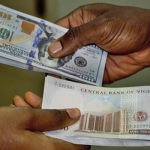
In the official market, the naira strengthened to ₦1,487.36 per dollar, up from ₦1,488.60 the previous day. In the parallel market, it traded between ₦1,515 and ₦1,517 per dollar, reflecting increased confidence in the currency. Analysts say the CBN’s monetary easing signals a willingness to encourage credit flow and business activity, improving liquidity in the economy.
Global oil benchmarks also saw upward momentum. West Texas Intermediate (WTI) crude rose to $75.05 per barrel, representing a 2.2% increase, while Brent crude similarly gained amid supply constraints and forecasts of robust demand. These price gains are expected to bolster Nigeria’s oil revenue, which remains a critical component of the nation’s fiscal stability.
Economic experts note that the combination of rising oil prices and a stronger naira enhances investor confidence and provides support to the country’s external reserves. “The policy adjustment by the CBN, alongside the global recovery in oil markets, is likely to provide a cushion for Nigeria’s balance of payments and foreign exchange stability,” said financial analyst Kunle Adesina.
The CBN’s policy action comes at a time when Nigeria is seeking to accelerate post-pandemic economic recovery, promote private sector lending, and attract foreign investment. Market observers will be closely monitoring how commercial banks transmit the rate reduction to borrowers and whether it translates into increased credit to households and businesses.
With oil prices trending higher and the naira gaining strength, analysts are optimistic that the recent policy moves could help Nigeria maintain macroeconomic stability and support fiscal growth in the remaining months of 2025.