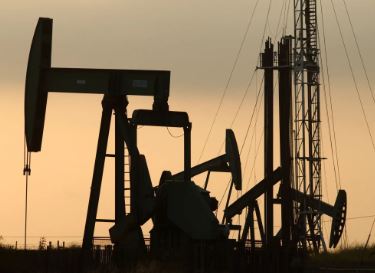
Global oil prices surged above $100 per barrel on Thursday as renewed attacks linked to Iran intensified supply fears in energy markets.
The spike came despite a major move by leading economies to release emergency oil reserves in an effort to stabilise prices.
Meanwhile, stock markets across the world extended losses as investors reacted to growing uncertainty in global energy supply.
The latest surge followed fresh attacks on energy and shipping targets in the Persian Gulf.
One attack on two oil tankers near Iraq killed at least one crew member. In another incident, a cargo ship caught fire after being struck by shrapnel.
These attacks have increased concerns about the security of oil shipments in the region.
Energy analysts warn that the crisis could severely disrupt global supply chains if tensions escalate further.
Strait of Hormuz Closure Deepens Market Concerns
The situation worsened after Iran reportedly restricted access to the Strait of Hormuz.
This narrow waterway carries around 20 percent of the world’s crude oil supply, making it one of the most critical energy routes in the world.
If shipping through the strait remains disrupted, global oil markets could face serious shortages.
IEA Announces Largest Oil Reserve Release Ever
In response to the crisis, the International Energy Agency announced the release of 400 million barrels of oil from emergency reserves.
The move marks the largest coordinated release of strategic oil reserves in history.
However, the measure has not fully eased market concerns.
According to the agency, the conflict has already caused the largest supply disruption in the history of the global oil market.
Global crude production has reportedly dropped by about 8 million barrels per day, with an additional 2 million barrels of petroleum products affected.
Brent Crude Briefly Tops $101 Per Barrel
The international benchmark, Brent North Sea crude, briefly climbed to $101.59 per barrel during trading.
That represents a 38 percent increase since the conflict began 13 days ago following airstrikes by the United States and Israel against Iran.
Although prices briefly dipped, they quickly rebounded after comments from Donald Trump.
The US president said preventing Iran from developing nuclear weapons was more important than controlling oil prices.
Airlines React to Rising Fuel Costs
The surge in oil prices is already affecting the aviation industry.
The national airline of New Zealand announced plans to cancel 1,100 flights over the next two months.
Meanwhile, Cathay Pacific introduced new fuel surcharges on many routes.
European airline group Air France-KLM also confirmed it will raise ticket prices to offset higher jet fuel costs.
Global Stock Markets Slide
Rising energy prices triggered losses across major financial markets.
Key indices fell during trading:
- Dow Jones Industrial Average dropped 1.1%
- S&P 500 declined 0.8%
- Nasdaq Composite fell 0.9%
European markets also recorded losses, including the FTSE 100, CAC 40, and DAX.
Asian markets closed lower as well, including Japan’s Nikkei 225 and Hong Kong’s Hang Seng Index.
Analysts Warn of Global Inflation Risks
Market analysts say prolonged high oil prices could trigger wider economic problems.
Higher energy costs often lead to rising inflation and slower economic growth worldwide.
Experts warn that if the Middle East conflict continues, the global economy could face a significant inflation shock.