
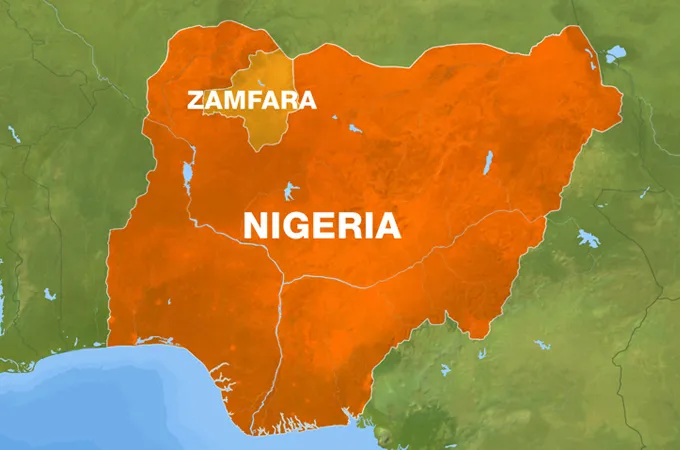
Amid a persistent surge in banditry and deadly attacks, the Zamfara State Government has earmarked ₦1 billion in the 2026 budget to construct ultramodern cemeteries across 14 local government areas.
The allocation, captured under the Ministry of Religious Affairs, reflects growing concern over the rising death toll linked to armed violence in the state.
Governor Dauda Lawal’s administration included the provision in the recently approved 2026 budget, highlighting the urgent need for designated burial infrastructure as rural communities continue to grapple with insecurity.
The budget move comes as repeated attacks by armed bandits leave scores of civilians dead and entire communities in fear. On February 4, 2026, suspected bandits ambushed residents of Kyaram community, killing at least five people and leaving several others missing.
Earlier violence has also hit villages such as Gwargwaba in Bungudu LGA, where at least four villagers were killed during an assault that involved homes being burned and residents attacked.
In January 2026, local sources reported that bandits raided Kanbiri village in Tsafe LGA, killing at least six residents and abducting others, underscoring how frequent and deadly these incursions have become.
Ongoing Banditry and Humanitarian Impact
Zamfara has long been a hotbed of Nigeria’s wider bandit conflict, plagued by roving armed groups responsible for violent raids, abductions and killings over several years.
Entire villages have been attacked repeatedly, with communities struggling to secure safety or maintain livelihoods in remote areas.
The continued violence has spurred protests by residents in various parts of the state, including Gusau, where communities have decried relentless killings and mass abductions.
Protesters drew attention to locations such as Mada, Ruwan Bore, Fegin Baza and others where insecurity has disrupted farming and daily life.
Government Response and Public Backlash
While the cemetery allocation aims to provide dignified burial grounds, many residents and observers have criticised the move as insensitive given the lack of corresponding progress on security and safety. Some see investment in burial infrastructure as premature or misplaced without concrete measures to protect lives first.
Security experts and civil society groups have repeatedly called on the federal and state governments to strengthen military operations, improve community protection, and invest in intelligence-led responses to dismantle bandit networks that continue to terrorise rural communities.
As the debate continues, families affected by banditry’s toll remain caught between mourning their lost loved ones and confronting the daily threat of violence that has become a grim reality in parts of northwestern Nigeria.