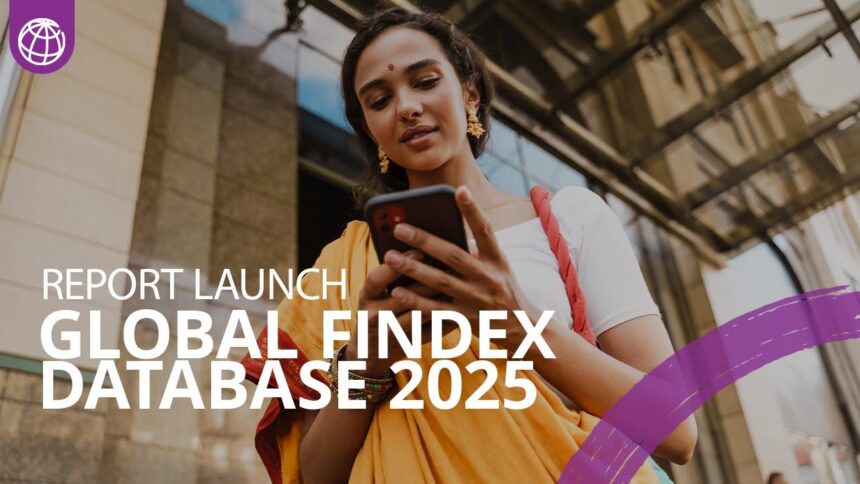
Women are gaining better access to financial services across the world.
However, true inclusion remains unfinished.
Today, more women use bank apps, mobile money, and digital payments.
This progress reflects deliberate policy and digital innovation.
According to the Global Findex 2025 reportGlobal Findex 2025 report, 73 percent of women now own financial accounts.
This marks a clear improvement in low- and middle-income countries.
Read Also: INEC Issues Revised Timetable for 2027 General Election
Digital tools are driving this shift, especially in Sub-Saharan Africa.
Mobile money is helping women bypass traditional banking barriers.
However, major gaps still exist.
About 700 million women remain unbanked worldwide.
Many women with accounts barely use them.
This creates a widening usage gap.
Some women earn too little to sustain accounts.
Others face high fees or long travel distances.
In many households, women still depend on shared or male-controlled accounts.
This limits financial independence.
Access alone does not guarantee empowerment.
Control and confidence matter more.
Women still borrow less, save inconsistently, and struggle to access credit.
Emergency funds remain out of reach for many.
True financial inclusion means opportunity, security, and economic power.
Until then, progress remains incomplete.