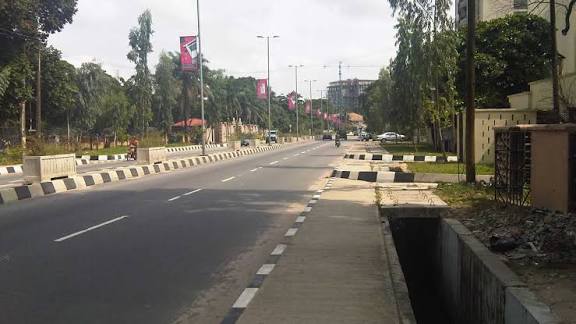
Each time Nigerians head to the polls, whether for general elections, governorship contests, bye-elections, or local council votes, one familiar restriction returns: road closures and limits on movement.
Authorities say the measure is designed to protect the integrity of the vote. But critics argue it may also prevent many citizens from exercising their democratic rights.
In Nigeria, election-day movement restrictions are typically ordered by security agencies in coordination with the Independent National Electoral Commission (INEC).
The official aim of this restriction is to prevent political violence, vote-buying logistics, and the transportation of thugs or weapons between polling locations. By limiting vehicular movement, security forces say they can better monitor activities and respond quickly to threats.
Supporters of the policy argue that Nigeria’s history of election violence makes such precautions necessary. Road closures can make it harder for political actors to mobilize groups for intimidation, disrupt voting, or manipulate results. Security agencies also say the restriction helps maintain order and protects voters, electoral officials, and election materials.
However, critics say the policy creates a major unintended consequence: voter suppression.
Unlike some countries where polling units are always located close to residential areas, many Nigerians are registered far from where they currently live.
This means they must travel sometimes across districts or cities to vote.
This was evident during the recent Area Council elections in the Federal Capital Territory (FCT), where movement restrictions prevented some residents from reaching their polling units.
Many workers and urban residents who live in different districts from where they registered were effectively unable to vote, raising concerns about disenfranchisement.
Analysts say this highlights a structural challenge in Nigeria’s electoral system. Internal migration, urban expansion, and outdated voter registration locations mean millions of citizens do not live near their assigned polling units.
When movement is restricted, these voters face a difficult choice between obeying the law and exercising their constitutional right to vote.
Globally, approaches vary as Some countries impose limited restrictions only around polling stations, while others rely on increased security patrols instead of blanket road closures.
Election experts argue that the key is balancing security with accessibility, ensuring safety without discouraging participation.
Ultimately, Nigeria’s election-day road closures reflect a difficult trade-off between preventing electoral violence and protecting voter access.
While the intention may be to safeguard democracy, the impact can sometimes limit participation, raising an important question: how can Nigeria secure its elections without restricting its citizens’ right to vote?