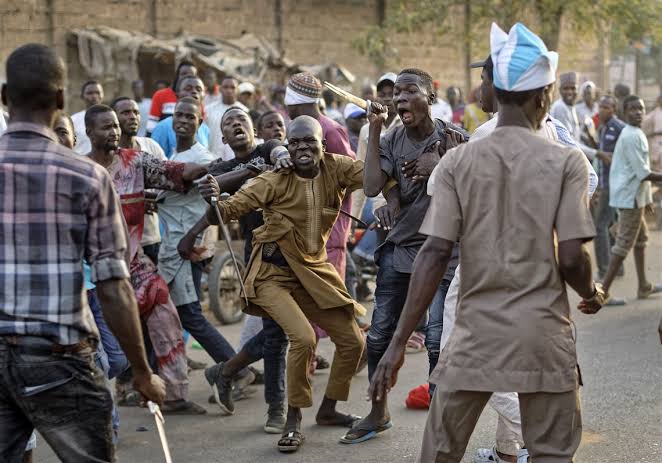
At what point does constant bloodshed stop being “breaking news” and become a national emergency that demands real action?
In Northern Nigeria, especially in and around Jos, violence has become a recurring headline. For years, many reports have described the crisis as a simple clash between Christians and Muslims. But that explanation no longer tells the full story.
The reality is deeper and more troubling.
Much of the conflict grows from struggles over land, power, and survival. When farmers lose crops to grazing cattle, or when long-used migration routes are blocked, tensions rise quickly.
These local disputes turn deadly in places where weapons are easy to find and trust between neighbours has collapsed.
Plateau State is one of Nigeria’s most diverse regions. Ethnic groups such as the Berom, Afizere, Anaguta, Irigwe, and Tarok have lived there for generations. Hausa traders and Fulani pastoral families are also long-standing members of these communities. Yet diversity, instead of being a strength, has often been politicised.
In cities like Jos, identity and politics collide. Elections, government appointments, and control of local authority frequently reopen old wounds. Leaders’ decisions can quickly turn tension into violence.
History shows how fragile peace has been.
In 2001, mass violence killed about a thousand people in just days.
In 2008, post election unrest claimed more than 700 lives.
In 2010, coordinated attacks and reprisals left at least 300 people dead within a week.
From 2021 to early 2026, monitoring groups estimate that over a thousand people died in communities such as Mangu, Barkin Ladi, Riyom, and Bokkos.
The pattern rarely changes. One attack triggers revenge. Revenge leads to collective blame. Communities retreat further into fear and suspicion.
Religion often overlaps with identity, but it is not the sole driver. Violence has also happened within the same religious groups, proving that the crisis is not just about faith. It is about who belongs, who controls land, and who feels protected by the state.
This is where Nigeria must pause and reflect.
Can the country move past ethnic and religious labels and face the deeper causes of the violence? Can leaders replace silence and short-term reactions with justice, accountability, and inclusive governance?
Until Nigeria treats these killings as a shared national failure not a distant regional problem the cycle will continue. And each new tragedy will feel less like shocking news, and more like a painful routine.