The idea sounds noble on paper: a global “Board of Peace” meant to promote stability, rebuild conflict zones, and secure lasting peace. But once you read the fine print of Donald Trump’s proposed Board of Peace, it raises more questions than confidence.
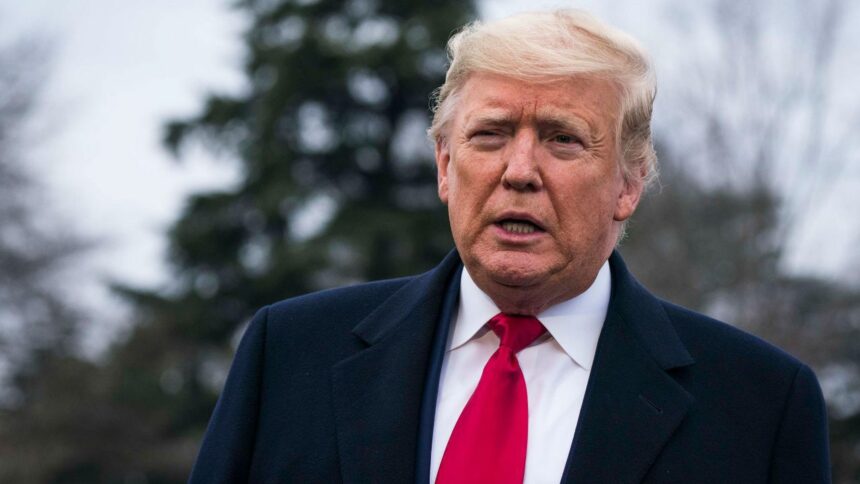
According to its charter, the Board of Peace will be chaired by Trump himself, giving him sweeping powers from appointing and removing members to approving or rejecting every decision taken. In fact, no resolution passes without the chairman’s consent. That alone makes this less of a multilateral peace body and more of a Trump-led authority with global reach.
Then there’s the money. Countries can secure a permanent seat by paying over $1 billion within the first year. That condition quietly redefines “peace-building” into something that looks transactional. Peace, it seems, may come with a price tag.
Although the board was initially linked to rebuilding war-torn Gaza, the charter leaves its mandate open-ended, allowing it to operate anywhere conflict exists or is “threatened. With invited countries ranging from Russia and Pakistan to France and Egypt, the board’s reach could be vast, but its accountability unclear.
The list of key figures already involved Trump, his son-in-law Jared Kushner, loyal aides, wealthy financiers, and former UK Prime Minister Tony Blair also blurs the line between diplomacy, personal networks, and private influence.
Yes, every member state gets one vote. But with Trump holding tie-breaking power and final approval authority, the balance of power is far from equal.
At a time when the world desperately needs genuine, collective peace efforts rooted in international trust, the Board of Peace feels less like a neutral platform and more like a centralized structure built around one man’s authority.
The big question remains: Is this about building peace or reshaping global diplomacy in Trump’s image?