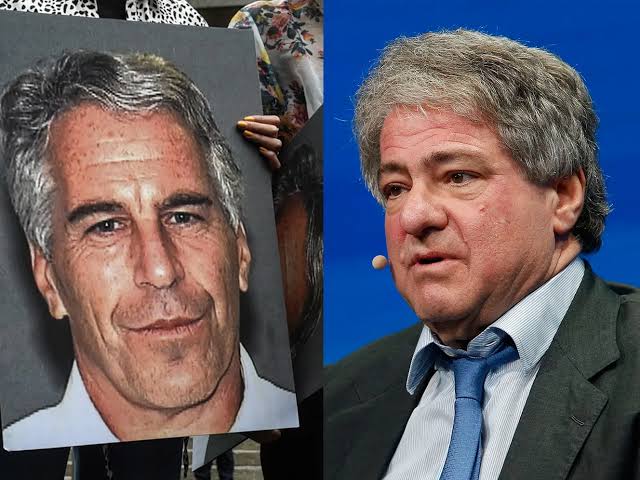
If you thought the Epstein files story was over, it’s not.
New developments are still unfolding — and they’re affecting politics, business, and public accountability around the world.
Here’s what you need to know.
First, the story has now expanded into corporate governance and investor transparency.
A proposed class-action lawsuit has been filed involving billionaire financier Leon Black and Apollo Global Management.
The lawsuit alleges that company executives misled investors about the extent of their past connections with Jeffrey Epstein.
According to the claim, communications and financial dealings with Epstein were not fully disclosed.
Read Also: Epstein File: U.S Attorney General Grilled Over Release
When those ties became public, the company’s stock reportedly dropped significantly.
That means the Epstein scandal is no longer just about criminal allegations.
It is now a corporate risk and transparency issue affecting major financial institutions.
Another major development involves former U.S. President Bill Clinton.
A U.S. House committee recently released deposition videos connected to the Epstein investigations.
In the footage, Clinton denied knowledge of Epstein’s criminal activities.
However, the release has reignited debate because Clinton had previously traveled on Epstein’s private jet and interacted with him socially.
Critics say the key question remains:
Did powerful figures ask enough questions about Epstein’s activities at the time?
There are also international developments.
A Russian businessman whose name appeared in the recently released documents was found dead in Moscow.
Authorities have described the death as an apparent suicide, but the timing has fueled speculation about the wider network of individuals linked to Epstein.
And that brings us to the central issue in this story:
accountability.
The so-called Epstein files were released as part of transparency efforts to reveal who knew what — and when.
But critics argue that not all materials have been made public.
Some documents remain redacted, meaning important information may still be hidden.
This is why the Epstein story continues to matter.
It is no longer just about one man.
It is about systems of power, influence, and the ability of institutions to hold elites accountable.
The case continues to raise difficult questions:
Who enabled Epstein?
Who protected him?
And what reforms are needed to prevent something like this from happening again?
This story is still developing.
And as new verified information emerges, we will continue to follow it closely.