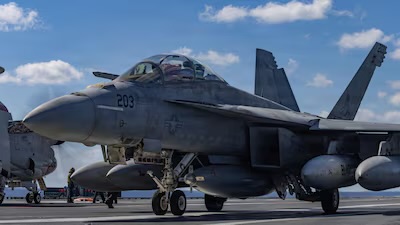


The decision was confirmed by Spain’s Defence Minister, Margarita Robles, who stated that neither Spanish bases nor airspace are authorised for missions related to the conflict.
According to the Spanish government:
- U.S. planes linked to the war in Iran cannot use Spanish airspace
- American forces are also denied access to Spanish military bases
- Exceptions apply only in emergency situations
This move has reportedly forced the United States to adjust flight routes and logistics for operations heading toward the Middle East.
Political Position Behind the Move
Prime Minister Pedro Sánchez has emerged as one of the most vocal Western leaders opposing the conflict, which began after U.S.-Israeli strikes on Iran.
His government’s position reflects Spain’s broader reluctance to support military escalation in the region.
The decision has added strain to Spain’s relationship with its long-standing ally, the United States.
President Donald Trump has reportedly reacted strongly, even threatening to review trade ties with Spain.
This is not the first point of disagreement. Spain had earlier resisted U.S. pressure to increase defence spending within NATO to 5% of GDP.
Spain’s move highlights growing divisions among Western allies over how to respond to the Iran conflict.
It also complicates military coordination within NATO, especially as member states balance alliance commitments with national policy positions.
By closing its airspace, Spain is sending a clear message about its opposition to the war.
However, the decision also raises questions about alliance unity, military logistics, and the future of U.S.-European relations as the conflict continues to unfold.