The Supreme Council for Shari’ah in Nigeria has warned that it will not accept or legitimise any elections it deems compromised ahead of the 2027 general polls, saying that the credibility of the country’s democratic process must be upheld.
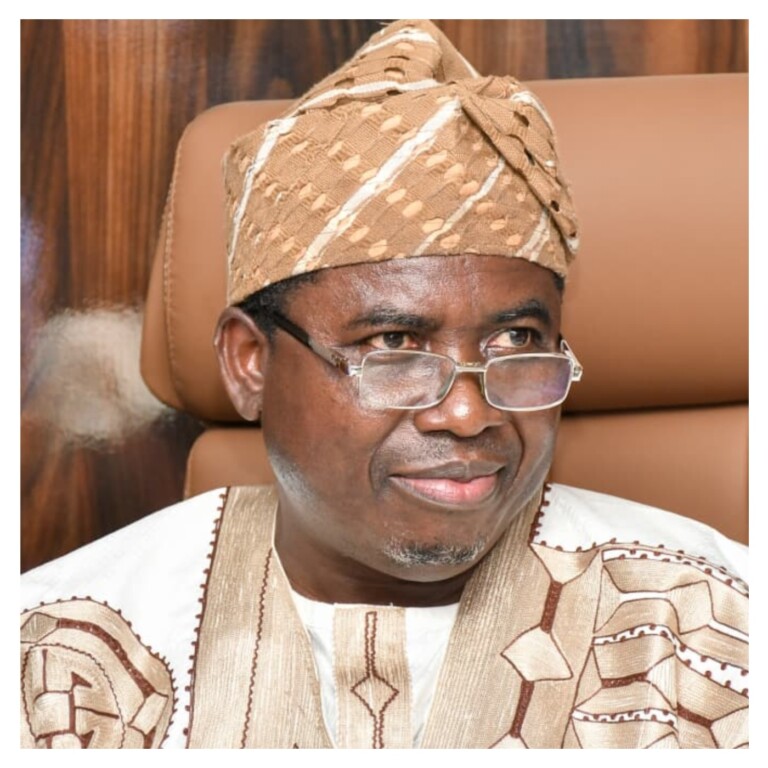
Speaking on Wednesday during the Council’s Annual Pre-Ramadan Lecture and General Assembly in Abuja, Sheikh Dr. Bashir Aliyu Umar, President of the Shari’ah Council, stressed that public confidence in electoral institutions is essential for national stability and democratic legitimacy. The event was attended by Islamic scholars, traditional and community leaders, professionals, representatives of Islamic organisations, and members of the media.
Sheikh Umar stated unequivocally that the Muslim community (“Ummah”) will not recognise or legitimise any election overseen by individuals whose integrity is in doubt. He emphasised that no election held under a cloud of compromised integrity can be regarded as credible.
The Council also raised broader concerns about the nation’s political and socio-economic situation, describing Nigeria as being at a critical crossroads. It highlighted challenges including worsening insecurity, economic hardship, inflation, unemployment, and declining public trust in governance.
On issues beyond elections, the Shari’ah Council addressed insecurity and terrorism, condemning all forms of violence and urging effective security measures and peaceful reconciliation. It also rejected inflammatory narratives about religious violence, calling for responsible public discourse to avoid deepening societal divisions.
Economically, the Council criticised recent tax reforms and budgetary policies, arguing that fiscal measures should not place undue hardship on ordinary Nigerians and calling for equitable and humane economic governance.
The Shari’ah Council also reaffirmed the constitutional right of Muslims to the application of Shari’ah law, while reiterating a commitment to peaceful coexistence with other religious communities.
As Ramadan approaches, the Council encouraged Islamic scholars to use the period’s religious lessons to promote unity, moral reformation, civic engagement, and ethical leadership, saying that national renewal will require collective moral responsibility.