Are we pleading with the Nigerian government or with bandit groups to stop this menace? The answer is no. We are only pleading with human beings to remember death and the brutal torture of the grave, which is far worse than what they are doing to people. Even ashes will testify on that day.
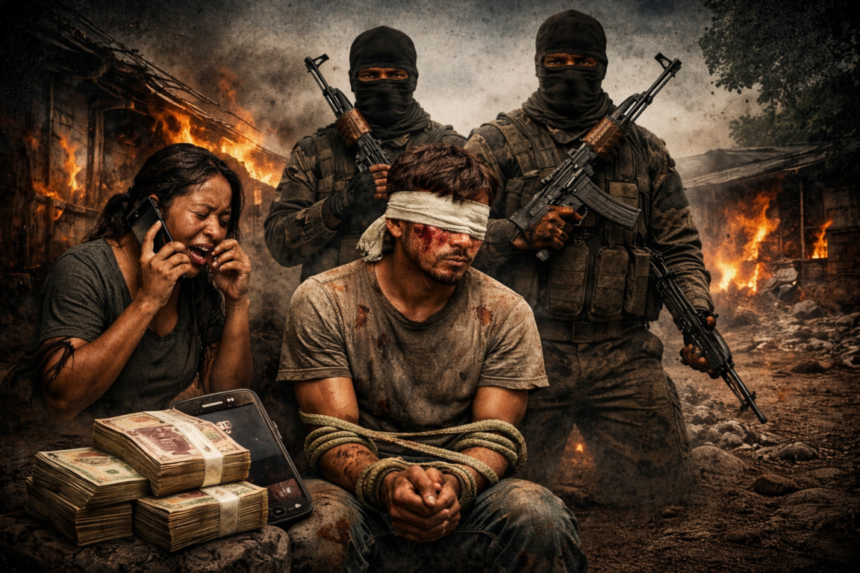
Abba, a young Hausa man, was kidnapped, beaten, and brutally tortured.
I am heartbroken, devastated, and too drained to even cry again.
Kidnapping is a filthy business. It strips victims of their dignity and even their identity as human beings. That is why, in many countries, it carries the death penalty.
We cringe at rape and gender-based violence, but kidnapped victims, male or female, can be gang-raped throughout their captivity and then be forced to smile and say “thank you” after every traumatic episode.
The helplessness of a kidnapped victim cannot be explained unless it is experienced. Allah ya kiyaye, as the Hausa saying goes.
Read Also: When Violence Becomes Nigeria’s New Normal
The victims’ families, friends, and everyone who watches the videos posted online by kidnappers are also victims. Those videos leave all of us traumatized and powerless.
Kidnapping has now become a multi-billion-naira, zero-risk business with no end in sight. It is riskier and less rewarding to steal a keke napep than to kidnap someone and demand ransom.
We are caught between the devil and the deep blue sea. If you don’t pay the ransom, your loved one may die. If you pay the ransom, you enable the kidnappers to buy more weapons and vehicles, making it easier for them to carry out more kidnappings.
So what do we do? How do we get the government to wake up? The situation has gotten completely out of hand, especially in the North.
Since I watched the video, I have not been the same. The first thought that came to my mind was, what if I were Abba, or one of the victims?
Things like this should not be happening to free, innocent people struggling just to put food on the table.
What is even more painful is that most victims are traders, farmers, and students, ordinary people who leave their comfort zones simply to survive. People whose only crime is trying to earn a living.
The government often says it is doing its best. But the truth is that the best must be done, urgently, to free those in captivity and provide security for all of us.
I pray that one day I will live in the Nigeria I always dreamed of: a Nigeria where we live without fear, without hunger, without joblessness, without the fear of sickness, and where education is affordable.
What breaks my heart the most is hearing our leaders repeatedly say, “We are trying.” We all know that. But the real question is: what strategies and measures are being used to end this vampirism?
Bandits openly use social media, make phone calls, and hold negotiation meetings, yet leaders claim they do not know who they are. So the question remains: who is ruling Nigeria, the bandits or Nigerian leaders?
If they are the ones ruling, then tell us, and we will accept our fate. But with all the budgets, intelligence, and knowledge at the disposal of leadership, it is a shame if this cannot be decisively addressed.
Anything less is unacceptable.