
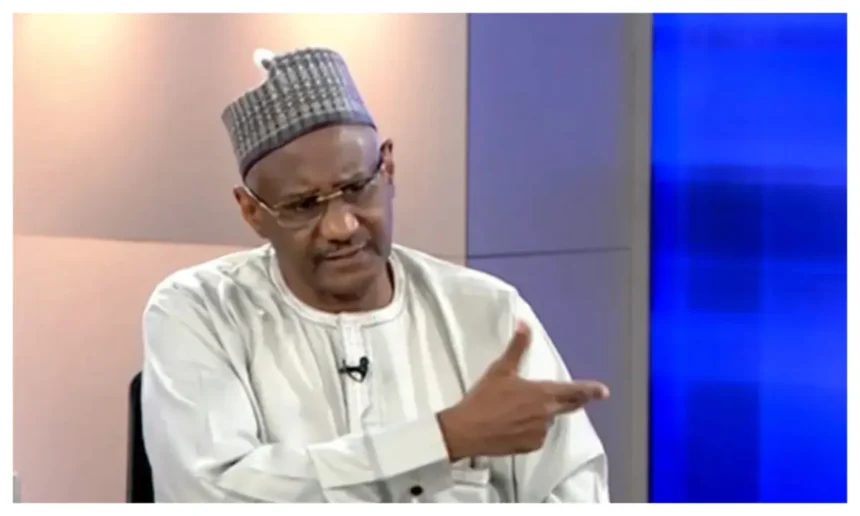
A fresh wave of controversy has followed remarks by Prof Usman Yusuf, who alleged ethnic bias in the arrest patterns of Nigeria’s anti-corruption agency, the Economic and Financial Crimes Commission (EFCC).
In a strongly worded statement, Yusuf claimed that no Yoruba individual has been “grabbed” by the EFCC. In contrast, he pointed to prominent Fulani figures, mentioning Aminu Tambuwal, Abubakar Malami, and Nasir El-Rufai as examples of those who faced arrest or investigation.
“We have not seen a single Yoruba man grabbed by EFCC… Yorubas are saints. People are watching,” Yusuf said.
As a result, his remarks have sparked strong reactions across political and social spaces. They also revived debates about fairness in Nigeria’s anti-corruption efforts.
Some critics argue that concerns about fairness should be openly addressed. However, supporters of the EFCC insist that the commission acts on evidence, petitions, and due process, not on ethnicity.
Analysts warn that claims of bias, whether proven or not, can undermine national unity. In a diverse country like Nigeria, such narratives may deepen divisions and reduce public trust in institutions.
Therefore, they stress the need for transparency, accountability, and clear communication to maintain credibility.
Meanwhile, stakeholders urge caution in public discourse. They call for responsible discussions and reforms that strengthen confidence in the country’s anti-corruption system.