The Nigeria National Petroleum Corporation Limited (NNPCL) has revealed that it spent N17.5 trillion in the past 12 months on securing fuel pipelines, depots, terminals, and other critical energy infrastructure across the country.
The disclosure was made in NNPCL’s annual operations report, highlighting the company’s commitment to ensuring uninterrupted fuel supply and safeguarding the nation’s energy assets.
Securing Nigeria’s Energy Backbone
According to the report, NNPCL’s investment was channeled into multiple security initiatives, including the deployment of advanced surveillance technology, collaboration with security agencies, and physical protection of pipelines traversing volatile regions. The corporation stressed that protecting these infrastructures is critical in minimizing fuel scarcity and economic losses caused by pipeline vandalism and theft.
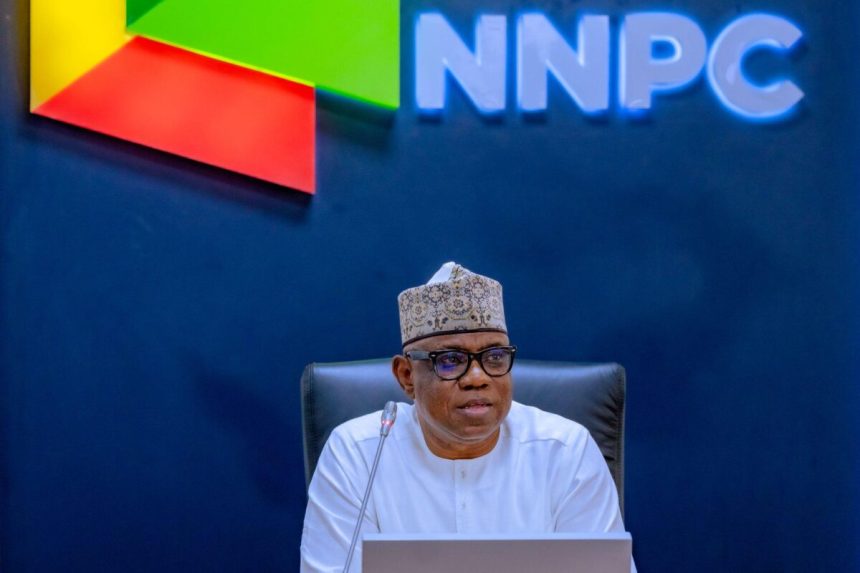
NNPCL’s Chief Executive Officer noted, “Our priority is the security of Nigeria’s energy infrastructure. Over the last year, significant investments have been made to ensure that pipelines, depots, and terminals operate safely and efficiently for the benefit of every Nigerian.”
Impact on the Fuel Supply Chain
The report further indicated that the security investments have led to a measurable reduction in pipeline vandalism and fuel shortages in major cities, contributing to improved fuel distribution nationwide. Analysts have also credited NNPCL’s strategic initiatives for stabilizing downstream fuel supply chains amid ongoing challenges in the global energy market.
Collaborations and Technology Integration
NNPCL highlighted partnerships with state and federal security agencies, as well as the use of drones, thermal imaging, and automated monitoring systems to patrol pipelines. The corporation emphasized that integrating technology with human security measures is essential to protecting the country’s multi-trillion-naira oil and gas assets.
Looking Ahead
With the country’s energy demand expected to grow, NNPCL has pledged to increase investments in infrastructure protection in the coming years. This proactive approach is aimed at safeguarding national revenue, supporting economic stability, and maintaining consistent energy supplies for both industries and households.
NNPCL’s recent expenditure underscores the critical link between security and energy development, highlighting that maintaining robust fuel supply chains is as much about protection as production.