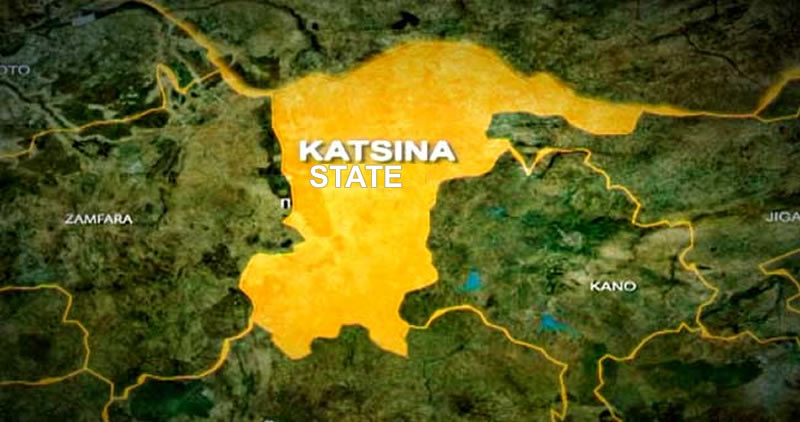
In the quiet morning hours in Kaita, Katsina State, the corridors of the Alima medical facility are filled with urgency, worry, and hope. Mothers, some barely in their teens, clutch their frail children, eyes wide with fear.
For many, like Zuwaira Hanafi and her eight-month-old daughter, Hambali, reaching the clinic could mean the difference between life and death.
Medical personnel move swiftly, measuring tiny arms with color-coded tape to determine malnutrition levels. The children arriving here are victims of a hunger crisis that has now reached unprecedented levels.
The Red Cross warns that up to 33 million Nigerians may face severe hunger this year, with 6.4 million children expected to be acutely malnourished, the majority in the north.
At Alima, the challenge is immense. The facility, which has treated over 36,000 children last year, also runs mobile clinics to reach families unable to travel.
Yet, climate shocks, poor governance, rising attacks by non-state actors, and funding shortfalls create barriers that are difficult to overcome. For the staff, every child saved is a victory, every delay could be tragic.
Dr. Soma Bahonan, head of Alima’s Nigeria mission, emphasizes the human cost: “We see the faces of despair every day.
Mothers are malnourished, children are critically ill, and yet, we fight to give them hope.”
Across Nigeria, the ratio of doctors to patients is roughly 1:9,000, far below the WHO-recommended 1:600.
Many healthcare workers leave for better opportunities abroad, leaving facilities like Alima to bear the immense weight of an escalating crisis.
Despite these challenges, the dedication of local and international health workers continues to save lives, one child at a time.
As the world watches, the urgent call remains: governments, organizations, and individuals must act to address the root causes of hunger in Nigeria.
For Zuwaira and thousands like her, every intervention is not just aid, it is life itself.