Nigeria’s healthcare system faces renewed turmoil after a nationwide doctors’ strike over unpaid arrears. The action exposed long-standing failures in the sector.
The Nigerian Association of Resident Doctors (NARD) led the strike. They demanded resolution of salary backlogs, unpaid allowances, and unfulfilled government agreements. Despite warnings, negotiations stalled, forcing doctors to withdraw services nationwide.
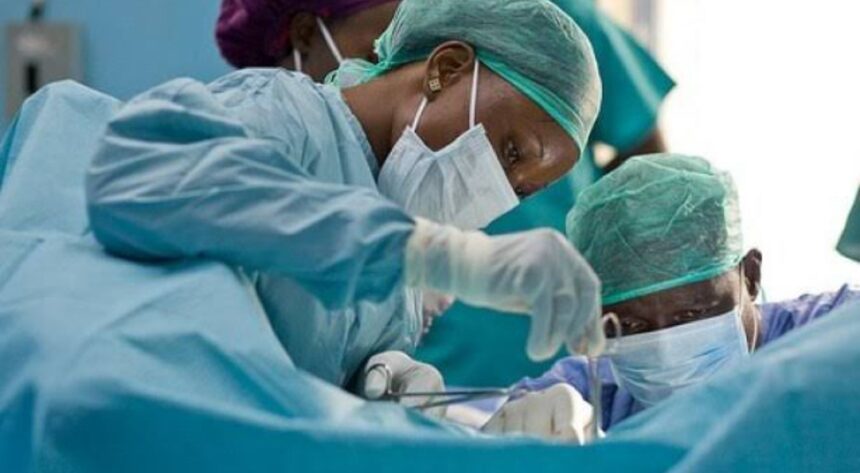
Public hospitals in Abuja, Lagos, and Ibadan suffered most. Emergency units struggled under pressure, routine treatments stopped, and countless patients, especially those relying on government hospitals, were left stranded.
Although the strike was eventually suspended after renewed assurances, public concern remains high. Many Nigerians see this as a recurring cycle where critical healthcare issues are addressed only after a disruption occurs.
Health experts warn that even short interruptions in a system serving millions can cost lives. The strike also highlights deeper issues.
Many medical professionals have migrated abroad for better pay and conditions, leaving hospitals understaffed. Remaining doctors face heavy workloads and limited resources. This leads to overcrowded facilities, long waits, and higher out-of-pocket costs for patients.
Analysts say that without sustained reforms Including better pay for health workers, investment in infrastructure, and consistent policies, Nigeria risks a collapse of its public healthcare system.
While the strike may have ended, underlying issues remain. For many Nigerians, the concern is no longer a single strike but a healthcare system running out of time.
Ultimately, the cost of repeated disruptions is not political; it is profoundly human.