The Infrastructure Concession Regulatory Commission (ICRC) has hailed Nigeria’s recent removal from the Financial Action Task Force (FATF) grey list, saying the development will strengthen investor confidence and attract massive private sector funding for infrastructure projects across the country.
The ICRC, which oversees public-private partnerships (PPPs) for national development, said the FATF delisting marks a significant step forward in Nigeria’s economic and governance reforms, especially in combating money laundering and terrorism financing.
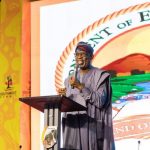
Speaking in Abuja, ICRC Director-General Michael Ohiani described the decision as a “positive endorsement of Nigeria’s financial integrity” and a major boost for infrastructure financing.
“This achievement has sent a strong message to global investors that Nigeria is a safe, transparent, and credible destination for long-term capital,” Ohiani said. “It will open the door for new PPP arrangements and allow international lenders to participate more confidently in projects spanning energy, transport, housing, and digital infrastructure.”
Nigeria was placed on the FATF grey list in February 2023 due to strategic deficiencies in its anti-money laundering (AML) and counter-terrorism financing (CTF) frameworks. However, following consistent reforms led by the Central Bank of Nigeria (CBN), Economic and Financial Crimes Commission (EFCC), and the Nigerian Financial Intelligence Unit (NFIU), the country was delisted in October 2025 after FATF commended the government’s progress in strengthening compliance systems.
The ICRC noted that the delisting will immediately impact the Public-Private Partnership pipeline, which currently includes over 217 approved projects worth several trillion naira in sectors such as railways, roads, power generation, and ports.
Experts believe that Nigeria’s return to FATF’s white list could help reduce financing costs for government-backed projects. A Lagos-based economist, Dr. Aisha Sulaiman, noted that “foreign banks and investors often treat FATF grey-list countries as high-risk zones. Nigeria’s removal now means easier access to concessional loans and improved project guarantees.”
The commission emphasized that increased international confidence would also help Nigeria meet its National Integrated Infrastructure Master Plan (NIIMP) targets, which estimate a funding gap of over $100 billion annually for the next decade.
Beyond the financial implications, the FATF delisting is expected to improve Nigeria’s global standing and ease business relations with development partners such as the World Bank, African Development Bank (AfDB), and International Finance Corporation (IFC).
The ICRC boss added that the agency is already engaging several investors from Europe, Asia, and the Middle East, who have shown renewed interest in large-scale concession projects. “With the FATF clearance, we anticipate stronger commitments and quicker financial closures for pending deals,” Ohiani said.
Civil society groups have also lauded the development, urging the government to maintain transparency and ensure that improved investor inflow translates to tangible benefits for citizens. The Centre for Fiscal Transparency and Integrity Watch (CeFTIW), in a statement, said the delisting “should be a reminder that sustained governance reforms are key to economic progress.”
The FATF decision, many observers agree, reflects Nigeria’s growing maturity in fiscal governance and its readiness to compete globally.
With the FATF grey-listing chapter now closed, Nigeria stands at a pivotal moment to leverage improved global trust for accelerated infrastructure delivery. For the ICRC and its partners, this milestone signals renewed momentum toward building a stronger, more connected, and investment-friendly Nigeria.