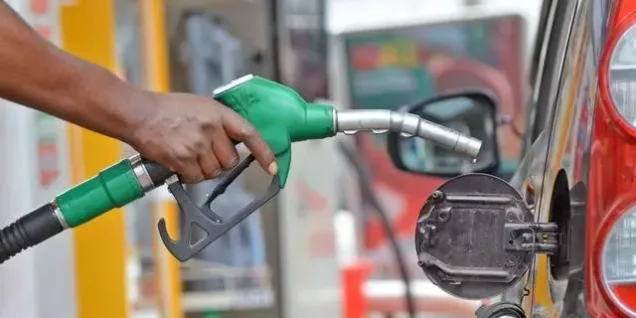
Nigeria imported approximately 1.31 billion litres of Premium Motor Spirit (PMS), popularly known as petrol, in December 2025, according to newly released data by the Nigerian Midstream and Downstream Petroleum Regulatory Authority (NMDPRA) highlighting the country’s continued dependence on fuel imports despite ongoing reforms in the oil and gas sector.
The December import figure underscores Nigeria’s sustained reliance on petrol imports to meet domestic consumption needs, even as the Federal Government pushes for increased local refining capacity and deregulation of the downstream petroleum sector.
Industry analysts estimate that the 1.31 billion litres imported in December translates to an average daily supply of over 42 million litres, aligning with Nigeria’s estimated national consumption levels following the removal of fuel subsidy earlier in the year.
The NMDPRA data reflects the volumes brought in by licensed oil marketing companies to stabilise supply and prevent scarcity during the festive period, traditionally marked by increased travel and fuel demand.
Since the removal of petrol subsidy in 2023, Nigeria’s fuel market has been operating under a deregulated framework, allowing marketers to import PMS based on market conditions. While the policy has reduced the fiscal burden on government finances, it has also exposed the economy to global oil price volatility and foreign exchange pressures.
The December 2025 import figures come amid ongoing adjustments in the downstream sector, including:
- Exchange rate fluctuations
- Global crude oil price movements
- Logistics and shipping costs
- Local refining output constraints
Despite repeated assurances that local refineries both public and private would significantly reduce imports, PMS importation remains substantial.
Although Nigeria is Africa’s largest crude oil producer, domestic refining capacity has historically been limited. The continued importation of petrol reflects delays in achieving full-scale local production from refineries expected to supply the domestic market.
Experts note that while modular refineries and privately owned facilities are contributing to supply, their output has not yet been sufficient to eliminate the need for imports, particularly during peak demand periods.
The government has maintained that ongoing investments and regulatory reforms will gradually reduce import dependence, improve efficiency, and enhance competition within the downstream sector.
Fuel imports remain one of the largest sources of foreign exchange demand in Nigeria. Importing over 1.3 billion litres in a single month places pressure on the naira, especially amid limited FX inflows and competing demands from other sectors of the economy.
Economists warn that sustained high import volumes could:
- Weaken foreign reserves
- Increase pump prices due to FX volatility
- Complicate inflation control efforts
However, supporters of deregulation argue that transparent pricing and private sector participation will, over time, lead to market stability and reduced fiscal risk.
The NMDPRA has consistently stated that its role is to ensure supply adequacy, quality assurance, and market transparency, rather than direct market participation. The authority monitors import volumes, storage levels, and distribution to prevent hoarding, adulteration, and supply disruptions.
According to the regulator, data disclosure is part of efforts to enhance accountability and give policymakers, investors, and the public clearer insights into market dynamics.
The importation of 1.31 billion litres of petrol in December 2025 highlights the gap between Nigeria’s energy aspirations and current realities. While reforms in the downstream sector are ongoing, the figures underscore the urgency of boosting local refining, stabilising FX supply, and ensuring that policy consistency translates into tangible reductions in fuel imports.
As Nigeria enters another year of energy sector reforms, the sustainability of petrol imports and their economic consequences will remain a key issue for policymakers and consumers alike.