By Aisha Muhammad Magaji
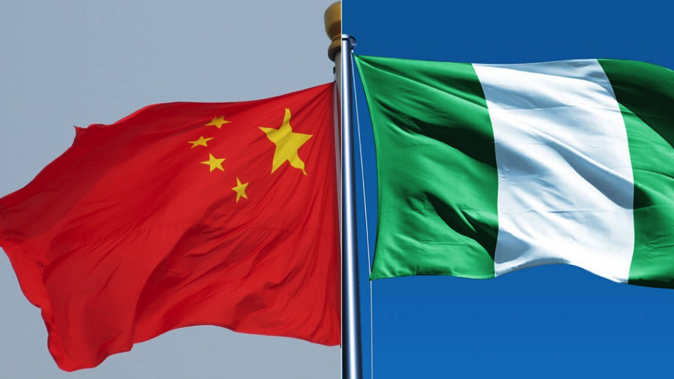
Nigeria’s trade relations with China continue to deepen as bilateral trade between both countries hit $15.48 billion in the first half of 2025, according to official figures released by China’s General Administration of Customs.
The data shows that Nigeria remains China’s largest trading partner in Africa, accounting for a significant share of the continent’s total trade with Beijing. The value represents a steady rise compared to the same period in 2024, underscoring the growing dependence on imports of machinery, electronics, textiles, and exports of crude oil, liquefied natural gas, and agricultural products.
According to the report, Chinese exports to Nigeria amounted to $11.23 billion, while Nigerian exports to China stood at $4.25 billion, creating a trade imbalance that continues to favor Beijing.
Nigeria’s major exports included crude oil, solid minerals, and sesame seeds, while China’s shipments to Nigeria largely consisted of industrial machinery, electrical equipment, vehicles, textiles, and manufactured goods.
China’s Ambassador to Nigeria, Cui Jianchun, hailed the trade figures as proof of a “thriving and mutually beneficial economic partnership.”
“The latest numbers reflect the strength of Nigeria–China relations. Beyond trade, we are also deepening cooperation in infrastructure, technology, and investment. China remains committed to supporting Nigeria’s industrialization drive,” Cui said in Abuja on Monday.
On the Nigerian side, the Minister of Industry, Trade, and Investment, Doris Uzoka-Anite, acknowledged the growth but stressed the need for a more balanced exchange.
“While the figures are encouraging, Nigeria must work to increase its export basket to China. We are already negotiating market access for more of our agricultural products and manufactured goods,” she said.
Economists have warned that Nigeria’s heavy reliance on crude oil exports in its trade with China poses long-term risks. Energy economist, Dr. Adebayo Oladipo, noted that although the figures show growth, they also highlight structural weaknesses.
“China is taking in mostly raw materials while sending us finished goods. This imbalance must be corrected if Nigeria truly wants to benefit from this relationship. Increasing exports of processed agricultural products, textiles, and value-added minerals is critical,” Oladipo explained.
Nigeria is part of the Forum on China–Africa Cooperation (FOCAC) framework and is a key player in the Belt and Road Initiative (BRI), which has seen billions of dollars invested in infrastructure projects such as railways, roads, and free trade zones across the country.
Trade between the two countries has grown steadily over the past decade, from $13 billion in 2018 to over $20 billion in 2023, despite global supply chain disruptions.
Both governments have pledged to expand cooperation beyond trade into technology, digital economy, renewable energy, and skills development. Negotiations are ongoing to finalize agreements that could open new opportunities for Nigerian businesses seeking access to the vast Chinese market.
Ambassador Cui reiterated that China is ready to partner with Nigeria in achieving economic diversification.
“Our cooperation is not just about oil. It is about building industries, creating jobs, and empowering young Nigerians,” he said.