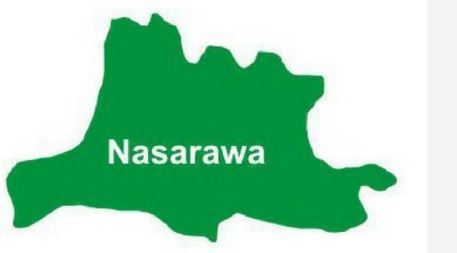
The race for the governorship in Nasarawa State has drawn an unusually high number of contenders, with at least 36 aspirants vying for the position. This surge reflects a mix of political ambition, party dynamics, and the influence tied to executive power at the state level.
For many aspirants, the governorship offers control over policy direction, appointments, and state resources. As a result, it attracts a wide range of political actors, including career politicians, technocrats, and business figures. In addition, party systems often allow multiple entrants at the early stage, which naturally leads to crowded contests before primaries filter the field.
Billboards Take Over Public Spaces
Across major towns and highways in Nasarawa, campaign billboards now dominate the landscape. Aspirants have flooded strategic locations with large posters displaying their faces, slogans, and promises.
This strategy focuses heavily on visibility. Many candidates believe constant exposure helps build recognition among voters, especially in areas where direct engagement may be limited. However, the scale of these billboards also points to the high cost of political campaigns and raises concerns about unequal access to visibility.
What Drives This Intense Competition?
Several factors explain the unusually high number of aspirants. First, political parties often encourage broad participation during the early stages, partly through the sale of nomination forms.
Second, not all aspirants intend to go the distance. Some enter the race to gain political relevance or negotiate influence within party structures.
Finally, weak enforcement of campaign finance rules allows heavy spending on publicity without strict limits. This makes it easier for aspirants to saturate public spaces with campaign materials.
Impact on Voters
For voters, the flood of billboards creates both awareness and confusion. While constant exposure increases familiarity with candidates, it rarely provides meaningful insight into their policies or competence.
In many cases, voters are left to choose based on name recognition rather than informed judgment. This can weaken the quality of democratic decision-making and shift attention away from real issues such as governance plans and track records.
What Happens in Saner Climes?
In more regulated democracies like the United Kingdom and Canada, the process looks quite different. Political parties often screen candidates more strictly, reducing the number of serious contenders early.
Campaign spending is also tightly controlled. Limits are placed on advertising, including billboards, to ensure fairness and prevent excessive influence by wealthy candidates.
More importantly, campaigns rely heavily on debates, policy discussions, and media engagement. Voters in these systems tend to make decisions based on issues rather than visibility alone.
Can Nigeria Move in This Direction?
For Nigeria to adopt similar standards, institutions like the Independent National Electoral Commission would need to enforce stricter rules.
This could include setting clear spending limits, regulating outdoor advertising, and improving transparency in campaign financing. Political parties would also need to strengthen their internal screening processes.
However, such reforms require strong political will and consistent enforcement.
What It Means Going Forward
The situation in Nasarawa reflects both the strength and the strain of Nigeria’s democracy. While the high number of aspirants shows active participation, it also highlights gaps in regulation and voter engagement.
As the process moves toward party primaries, the crowded field will narrow. Until then, the heavy presence of billboards remains a visible reminder of how political competition plays out across the state.