Legacy of a Short but Decisive Rule
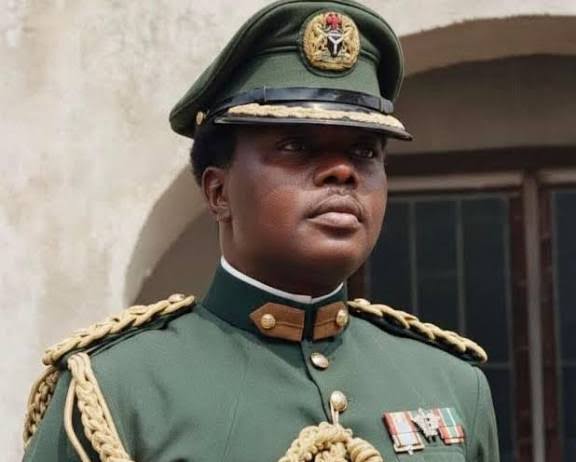
Fifty years after his assassination, the legacy of former Nigerian Head of State, Murtala Ramat Mohammed, continues to resonate across Africa.
He was killed on February 13, 1976, but his brief leadership reshaped Nigeria’s role in continental affairs.
Though he governed for less than six months, Murtala placed African liberation at the centre of Nigeria’s foreign policy.
At a time when apartheid remained entrenched in South Africa and minority rule persisted in Southern Africa, he chose justice over caution.
Read Also: Build Beyond the Suitcase: Dear Young People in Development
His declaration at the 1976 Organisation of African Unity summit that Africa had come of age reflected this new diplomatic posture.
Nigeria’s Role in African Liberation
Under his administration, Nigeria offered firm political and material support to liberation movements in Angola and Mozambique.
It also intensified opposition to apartheid and minority regimes.
These actions elevated Nigeria’s standing and strengthened Africa’s demand for freedom and dignity.
Murtala believed sovereignty must be actively asserted. He rejected neutrality where injustice prevailed and insisted that Africa should define its own priorities.
However, his policies showed that leadership could shape history, even within a short time.
Relevance Fifty Years Later
Half a century later, Africa faces new challenges marked by economic dependence and global pressures.
The question raised during Murtala’s era remains relevant: will the continent determine its future or submit to external influence?
Although he did not live to witness the collapse of apartheid and the full liberation of Southern Africa, his administration accelerated those struggles and gave them moral force.
Sadly, his assassination ended his rule but not the momentum he created.
As Africa marks 50 years since his death, Murtala Mohammed is remembered not only as a fallen leader but as a symbol of courage, conviction and continental responsibility.