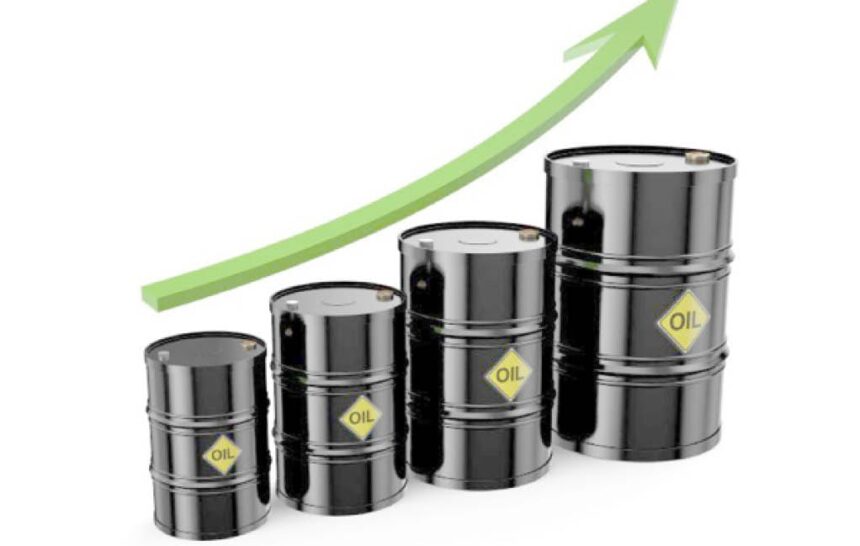
Nigeria is once again witnessing a sharp rise in petrol prices, with pump prices in some cities exceeding ₦1,000 per litre. The increase has sparked public concern across the country.
However, the main drivers of the price surge extend beyond Nigeria’s borders. The escalating conflict in the Middle East has disrupted global oil markets and pushed crude oil prices higher.
The Middle East remains one of the world’s most important oil-producing regions. Any conflict in the area quickly affects global energy supply.
Rising tensions involving Iran, Israel, and the United States have raised fears of disruptions to major oil shipping routes such as the Strait of Hormuz.
About 20 percent of the world’s oil supply passes through this strategic waterway. As a result, fears of supply disruptions have pushed crude oil prices higher and increased volatility in global energy markets.
When global crude prices rise, the cost of refined products like petrol, diesel, and aviation fuel also increases.
Since Nigeria’s fuel market is now largely deregulated, global price changes quickly influence local pump prices.
Nigeria’s Energy Paradox
Nigeria remains one of Africa’s largest crude oil producers. Despite this, the country still struggles with domestic fuel supply.
For decades, Nigeria relied heavily on imported refined petroleum products due to the poor performance of state-owned refineries operated by the Nigerian National Petroleum Company Limited.
Because of this dependence on imports, global shocks such as wars or supply disruptions quickly translate into higher petrol prices for Nigerian consumers.
The Role of the Dangote Refinery
The emergence of the Dangote Refinery was expected to change this situation.
The refinery can process about 650,000 barrels of crude oil per day. It was built to meet Nigeria’s fuel demand and supply refined products to other African countries.
In theory, a large local refinery should reduce Nigeria’s dependence on imported fuel.
However, petrol prices still depend on global crude oil costs, transportation, and operational expenses. Therefore, when crude oil prices rise globally, fuel prices in Nigeria can also increase.
Recent depot price adjustments from the Dangote refinery have already influenced retail petrol prices across the country.
Why Deregulation and Competition Matter
Nigeria’s move toward deregulation aims to strengthen the downstream petroleum sector.
The policy encourages private investment and competition in refining and fuel distribution.
Key goals include:
- Encouraging multiple refineries rather than relying only on state facilities
- Improving efficiency and reducing supply disruptions
- Attracting investment in refining and storage infrastructure
- Creating competition that can stabilize prices over time
With projects such as the Dangote refinery and several modular refineries, Nigeria hopes to eventually achieve domestic refining capacity that exceeds national demand.
If that happens, competition among suppliers could help moderate future price spikes.
What Nigerians Should Expect
For now, petrol prices may remain volatile while tensions in the Middle East continue.
Energy analysts warn that if the crisis escalates further, pump prices in Nigeria could rise even more. In extreme scenarios, petrol could approach ₦2,000 per litre.
The Bottom Line
The current petrol price surge in Nigeria reflects a wider global chain reaction triggered by geopolitical tensions.
At the same time, the situation highlights a long-standing challenge for the country.
Nigeria’s long-term energy stability will depend on:
- Strong domestic refining capacity
- Increased private sector participation
- A competitive and efficient downstream petroleum market
Until these systems fully mature, global events, especially conflicts in major oil-producing regions—will continue to influence what Nigerians pay at the pump.