
By Zainab Ibrahim
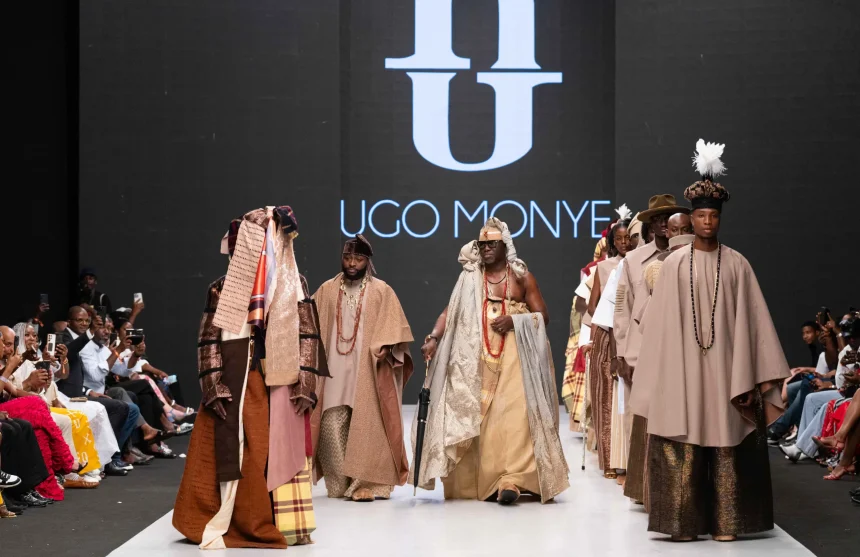
When Lagos Fashion Week launched in 2011, it wasn’t just about putting clothes on a runway. It was about giving African designers something far more valuable: a seat at the global fashion table one they built themselves.
Fifteen years later, what began as a bold experiment has evolved into a powerhouse platform that has changed the African fashion narrative. From nurturing emerging designers to championing sustainability and putting local craftsmanship on the global stage, Lagos Fashion Week has become a mirror of the continent’s creative evolution.
2025: In Full Bloom
This year’s edition is a significant one. Marking its 15th anniversary, the 2025 Lagos Fashion Week arrives under the theme “In Full Bloom” a poetic metaphor for a platform that has come into its own, Scheduled for October 29 to November 2, the 2025 edition is looking to deepen its roots and expand its reach. The Green Access program will again be central, calling on a new generation of designers to challenge the limits of creativity through waste-conscious innovation and local craft integration.
The event will continue to combine physical and digital formats, creating more room for conversation, collaboration, and visibility beyond the venue. There’s also a bigger push this year toward circular fashion, as the platform challenges designers to think not just about creation, but about afterlife what happens to a garment after it’s worn, and how we can reduce fashion’s environmental footprint.
The Spark That Started It All
The story of Lagos Fashion Week begins with one name: Omoyemi Akerele, a fashion entrepreneur and founder of Style House Files. In 2011, she envisioned a structured platform that would showcase Nigerian and African talent not just to local buyers, but to the world. That vision became reality at the Eko Hotel Expo Centre in Lagos, where more than 40 designers including now-household names like Lisa Folawiyo, Maki Oh, Nkwo, and Bridget Awosika took their place on the runway.
From Runway to Movement
In 2015, Heineken Nigeria became the title sponsor, helping the platform expand its influence and operational capacity. The event became more polished, better resourced, and globally recognized. But the real shift came with the introduction of sustainability-focused programs like Green Access and Woven Threads. These initiatives encouraged designers to look inward to local resources, traditional techniques, and waste-conscious production methods and outward, to the future of fashion. Woven Threads in particular became a standout exhibition of how African fashion could marry heritage and innovation.
Why It Matters
Lagos Fashion Week is no longer just an event. It’s a blueprint for how African creativity can lead, not follow. For how local industry can build global value. For how fashion can become both art and activism.
In a continent full of raw talent but systemic challenges, LFW is proof that with vision, structure, and resilience, it’s possible to turn dreams into industries. To turn sketches into exports. To turn fashion into a vehicle for economic and cultural power. And as the platform steps into its 15th year, it carries a message not just for Lagos, but for Africa and the wider world