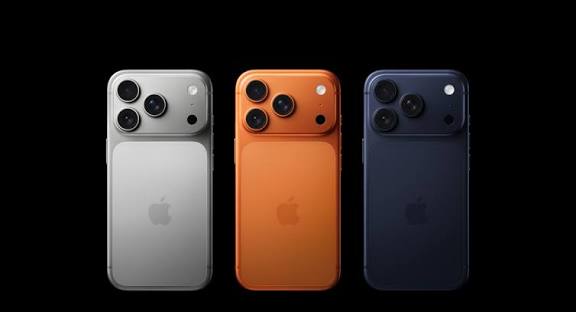
In today’s Nigeria, the release of a new iPhone especially the latest iPhone 17 Pro Max isn’t just a tech event. It’s a cultural moment, a social media storm, and sometimes, a financial trap. Across TikTok, X (Twitter), Instagram, and Facebook, conversations about “who bought the latest iPhone,” “who faked it,” and “who got scammed” dominate timelines. But beyond the laughs, memes, and viral videos lies a deeper story about identity, validation, and the rising social cost of luxury obsession.
Every new iPhone launch feels like a national event. The arrival of the new released latest iPhone has brought not just excitement, but frenzy. From refurbished / clone phones masquerading as brand new, to young people going to deep lengths for prestige, the saga reveals more about our society than Apple’s specs.
To understand why fake or refurbished iPhones flood the market, you must first accept that genuine devices are wildly expensive here. At legitimate stores, the iPhone 17 Pro Max (256GB) sells for ₦2,750,000 to ₦4,700,000, depending on storage size and seller. Tekkas Store, if certified, offers variants from ₦2.75M upward. Aura Shop Africa lists it between ₦2,750,000 and ₦4,700,000 depending on the model.
When a phone costs several million naira, many Nigerians especially students, young workers, and informal income earners see no realistic way to own one. The high import duties, currency fluctuations, and limited official distribution channels make authentic iPhones premium luxury items.
In many Nigerian cities, owning an iPhone isn’t simply about functionality it’s a badge of worth. From secondary school corridors in Lagos to university campuses in Abuja and Port Harcourt, the iPhone has become a marker of “arrival.”
According to digital culture analyst “The iPhone in Nigeria functions like a social passport. It tells people that you belong to a certain class, even if your reality says otherwise.”
This social perception drives a worrying trend people faking lifestyles, borrowing, or even engaging in questionable means to keep up appearances. Many young Nigerians confess online that they feel “invisible” or “less respected” without the latest Apple device.
In recent weeks, social media has been flooded with posts about fake iPhone 17 Pro Max devices, especially after viral reports of people being sold refurbished or cloned versions. Videos on TikTok show tearful buyers discovering that their “brand-new iPhone 17 Pro Max” is actually an old iPhone XR reprogrammed to look newer.
It started with posts showing apparent iPhone XR units transformed cosmetically into iPhone 17-style shells and sold as newer models. Influencers and dealers traded videos and accusations. One viral thread involved a popular seller called “Blord” and content creator VeryDarkMan (VDM), who published footage of a Chinese workshop where, he says, used iPhones are cosmetically rebuilt to mimic the latest models. The back-and-forth accusations of fraud, denials and leaked conversations made the story a national spectacle.
What followed were dozens of user testimonies: people who paid hundreds of thousands of naira and later discovered their phone’s serial number didn’t match the model advertised; buyers who received Android-based clones with iOS skins; and a heartbreaking video of a man who burst into tears after realising he had been swindled. Evidence suggests the market includes both outright counterfeit Android clones and refurbished iPhones with replaced shells and internals passed off as “new.”
A documentary-style thread X (Twitter) exposed how importers from China and Dubai flood the Nigerian market with refurbished iPhones disguised as new ones. “They change the casing, reflash the software, and repackage it. To an untrained eye, you can’t tell the difference until it’s too late,” one phone dealer in Computer Village, Ikeja, revealed.
Experts say this black market thrives because demand massively outweighs purchasing power. The average iPhone 17 Pro Max retails around ₦2 million to ₦3 million, far beyond what most young Nigerians can afford yet they still chase it.
The phrase “fake it till you make it” has taken on a dangerous new meaning in the iPhone era.
From “sugar relationships” and “sponsorship deals” to small fraud schemes and online begging, many young people confess they go to extreme lengths to fund an image of luxury.
A viral TikTok video featured a university student admitting, “I took a loan to buy my iPhone 15 last year because everyone in my class had one. I didn’t want to be the odd one out.”
Some female influencers openly admit they get their devices from “boyfriends” or “sponsors,” while others do product promotions or minor gigs to afford one. On X, one user wrote: “If you don’t have an iPhone, you won’t even get noticed in my area. People look down on you instantly.”
This obsession has created a new social hierarchy where the brand of your phone now defines your perceived success.
Social media plays a massive role in this phenomenon. Influencers flaunt unboxing videos, mirror selfies, and lavish lifestyles, creating a loop of envy and aspiration.
Psychologist commented that this creates a “dopamine trap” a cycle where people buy expensive gadgets for temporary validation but end up in financial or emotional distress.
“The iPhone culture is no longer about innovation,” she says. “It’s about optics. The need to appear successful instantly and at any cost.”
According to data from the National Bureau of Statistics (NBS), Nigeria’s unemployment rate among youths is over 33%, and the cost of living has soared by more than 25% in the past year. Despite this, smartphone retailers report record sales whenever Apple releases a new model.
This paradox economic hardship amid luxury consumption highlights what sociologists call “aspirational consumerism.” It’s the idea that people buy symbols of success to compensate for the lack of actual economic progress.
In truth, the iPhone saga reflects a larger social identity crisis. It’s not really about technology; it’s about belonging.
For many young Nigerians, the iPhone represents “hope,” a way to feel seen and accepted in a world that values image over substance.
But the danger is clear: when self-worth is tied to possessions, authentic confidence dies, replaced by constant comparison and competition.
As one X user poignantly tweeted, “We are not buying iPhones anymore we are buying validation.”
The Routes People Take: Real Stories, Risky Choices. From rapper-style boasting to heartbreak:
Refurbished or cosmetic upgrades: People buy older iPhones (e.g. iPhone XR) then replace shells, screens, and rebrand them as newer models. Internals might be old. Some buyers realize only after checking IMEI or after a software update.
Buying fake clones / Android skinned devices: These mimic the look, sometimes imitate UI, but often have weaker internals, poor battery, no warranty. Some buyers accept these knowingly; others are conned.
Borrowing / extra hustles: Many youths take side gigs, odd jobs, or borrow from informal lenders. A student shared in a group chat: “I took a loan to buy my iPhone 16 so I wouldn’t be the last in my class.”
Social compromises: There are pervasive stories some true, some exaggerated of “sponsors,” “sugar relationships,” or people risking reputations just to acquire an expensive device.
Online exposure, then regret: Videos go viral of buyers discovering mismatched serials, phones without proper warranty, or phones with fake logos. Shops sometimes refuse to refund. Many feel ashamed, embarrassed.
There’s nothing wrong with owning an iPhone. But the nation must confront the toxic culture of social proof. Schools, parents, and influencers must begin conversations around financial literacy, self-esteem, and digital authenticity.
Brands like Apple, too, should do more to verify legitimate retailers and curb the flood of fake products exploiting desperate buyers.
What This Culture Costs Us
Financial hardship: Spending money on fake or overpriced phones often means sacrificing essentials food, schooling, health.
Emotional and social fallout: Regret, shame, loss of trust. Relationships strained when someone is exposed.
Safety risks: Faulty batteries, low-quality chargers cause fires or failure. Clones may have malware or insecure firmware.
Undermined authenticity: When “having” becomes more important than “being,” values shift. The loudest signal becomes visible luxury rather than skill, character, or achievement.
In the end, the question isn’t “who has the latest iPhone,” but why we feel incomplete without one. Until that mindset changes, the cycle of faking, overspending, and losing oneself for status will continue.
This saga is about more than phones. It’s about identity, dignity, and societal values. In a world increasingly driven by visuals reels, photos, followers phones become trophies. But trophies that cost more than money: they cost peace of mind, trust, values.
If we don’t shift what we celebrate quiet achievement, integrity, responsibility we’ll always be chasing the next flashy device, never satisfied, always anxious.