
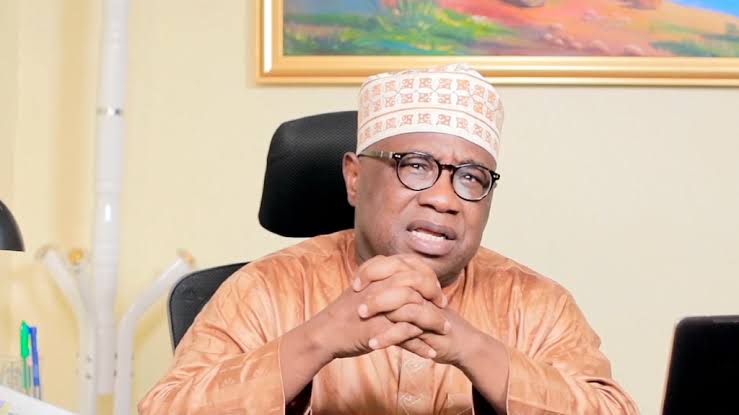
In a thought-provoking reflection, Abdalla Uba Adamu introduces the concept of Hausaphone as a way to rethink Hausa identity beyond traditional boundaries.
He argues that Hausa is no longer just an ethnic identity tied to geography.
It has evolved into a widespread linguistic and cultural system across West and Central Africa.
Moreover, the traditional idea of Hausaland refers to regions historically occupied by Hausa people.
These include places like Kano, Katsina, Zaria, and Daura.
However, Adamu suggests that this definition is now too limited.
Read Also: Opinion: Content May Be King, But Strategy Rules
He believes Hausa has outgrown fixed territorial boundaries.
Hausa spread through trade, migration, and Islamic networks across the Sahel.
Today, it functions as a lingua franca in markets, mosques, transport hubs, and media spaces.
From Maradi to Accra and even parts of Central Africa, Hausa connects diverse communities.
Subsequently, this makes it more than a language. It becomes a system of communication and exchange.
Adamu proposes Hausaphone as a term to describe this broader linguistic sphere.
It includes both native Hausa speakers and non-native users of the language.
The concept mirrors terms like Francophone or Anglophone but remains rooted in African realities.
He argues that Hausa spread organically, unlike state-backed languages like Swahili in Tanzania.
The essay challenges the idea that language alone defines identity.
Therefore, speaking Hausa does not automatically make someone ethnically Hausa.
Just as speaking English does not make someone English.
This distinction becomes central in debates around identity and cultural ownership.
Hausa’s influence continues to grow through media and entertainment.
Radio stations, film industries, and music genres expand its reach daily.
These platforms reinforce Hausa as a living, evolving cultural force.
The concept of Hausaphone reframes Hausa as dynamic and borderless.
It reflects a cultural ecosystem shaped by history, movement, and interaction.
Rather than a fixed identity, Hausa becomes a shared space of communication and meaning.