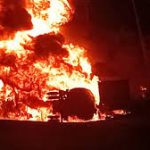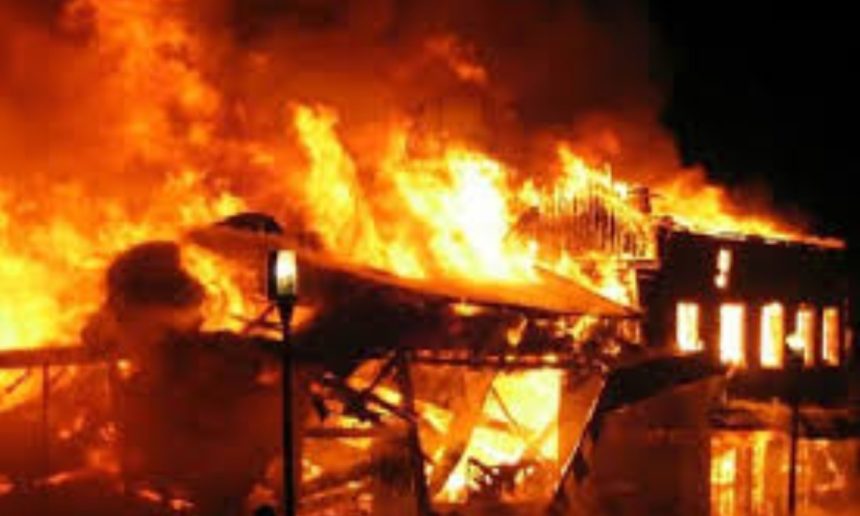
Fires have broken out in multiple locations across Oyo State involving solar power installations, factory storage, and health facilities, causing widespread damage but fortunately no loss of life. The incidents have raised fresh concerns about electrical safety, fire prevention practices, and the regulation of solar power installations in both industrial and community settings.
Two major fire incidents involving solar systems were confirmed by the Oyo State Fire Service:
Health Centre, Masifa, Idi Araba, Ogbomoso: On the evening of Saturday, September 27, 2025, the solar panel room of a primary health centre in Masifa, Idi Araba was engulfed by fire. The fire threatens community access to solar-powered electricity at the facility. Solar panels and related components were damaged.
Oyo State Fire Service Chairman Maroof Akinwande confirmed the incident, saying the emergency call came in at about 8:55 p.m. The fire was brought under control before spreading further.
Plastic Factory / Store, Saki: In another related incident, a solar power system installed in the store section of a plastic industry in Saki was affected. The factory store held plastic materials that were also destroyed. The fire was reported around 12:50 p.m. on Sunday, September 28. Fire responders were able to limit the damage and prevented the fire from spreading to other factory sections.
Property damage in both incidents is estimated in the millions of naira, especially given that solar components tend to be costly.
No casualties were reported in either incident. That remains a silver lining, especially given that solar installations, batteries, wiring and combustible storage can pose serious risk.
The Fire Service responded promptly in both cases and managed to contain the fires; they prevented total loss of the affected buildings or spread to nearby properties.
In the health centre incident, the fire is believed to have arisen from overheating of solar power batteries. It was suggested that plugged electrical gadgets may have contributed to overloading or triggered the overheating.
Electrical faults in solar systems are being looked at as probable causes. Given that solar setups often involve battery banks, inverters, charge controllers, and wiring, any weak link (such as poor insulation, improper ventilation, or faulty components) can spark a fire.
While a full-scale “solar firm” fire (i.e. a solar energy company’s core facility) has not been clearly documented in the search results, the confirmed incidents show that solar systems are increasingly part of the fire risk profile in Oyo State. This has implications for:
Regulation and safety standards: Ensuring that solar equipment is installed by certified technicians, that batteries are stored in ventilated, secure locations, and that electrical load capacities are properly managed.
Inspection and monitoring: Regular inspection of solar installations, especially in public facilities like health centres, factories, or establishments that rely heavily on solar power.
Public awareness: Training facility managers and communities on safe use of solar power, including avoiding overloading circuits, ensuring proper grounding, use of surge protectors, and avoiding placing equipment in high-heat areas without cooling.
Fire Service and relevant authorities are expected to conduct post-incident investigations to establish exact causes, accountability, and possible preventability in each case.
Owners of solar systems, especially those in public service or in industrial settings, may face tighter regulatory scrutiny.
There may be calls for revised safety codes or enforcement policies for solar power system components especially batteries and inverters given that they have been repeatedly linked to overheating and fire events.
The recent fires involving solar power rooms and systems in Oyo State signal a need for stronger safety protocols and oversight. While no “solar firm” in the sense of a company office or manufacturing plant has been verified as fully gutted from the search, the damage to solar installations in health and industrial facilities is severe. Moving forward, better installation standards, effective maintenance, and regulatory guidance will be essential to prevent such incidents and protect lives and property.