The Nigerian Government has set up a technical committee to review a proposed $200 billion integrated infrastructure project. The project combines gas development, power generation, and a nationwide high-speed rail system.
This move shows a cautious but strategic approach to one of the largest infrastructure proposals in Nigeria’s history.
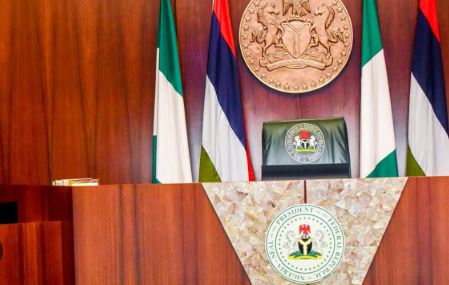
The Federal Government of Nigeria inaugurated the inter-agency committee in Abuja.
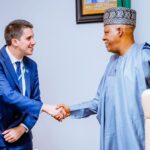
During the event, George Akume urged members to carry out a detailed and objective review. He stressed that their findings would guide major government decisions.
According to him, the committee must act with professionalism and national interest in mind.
The proposal comes from De-Sadel (Nig.) Limited in partnership with China Liancai Petroleum Investment Holdings Limited.
It includes gas production, power generation and transmission, as well as a 4,000-kilometre high-speed rail network. The rail system aims to connect key cities such as Lagos, Abuja, Kaduna, Kano, and Port Harcourt.
As a result, the project could reshape Nigeria’s transport and energy sectors.
Why FG Wants Thorough Scrutiny
However, the government says the project’s size and complexity require careful review.
Akume explained that authorities must confirm its technical feasibility, financial structure, and regulatory compliance. He added that the government will not take any decision without proper verification.
In addition, relevant agencies have already submitted preliminary reports, especially on funding sources and partners involved.
Key Agencies on the Committee
Meanwhile, the committee includes representatives from several ministries and agencies. These include transportation, petroleum resources, finance, justice, and environment.
Other key bodies involved are the Central Bank of Nigeria, the Economic and Financial Crimes Commission, and the Nigerian Electricity Regulatory Commission.
Security and intelligence agencies are also part of the review process.
What the Panel Will Assess
The panel will verify proof of funds and examine the financing model. It will also assess financial risks and Nigeria’s exposure to the project.
Furthermore, members will review the technical capacity of the promoters and contractors. They will also check compliance with local content laws and regulatory standards.
In addition, the committee will study rail infrastructure plans and identify any security or reputational risks.
Project Benefits and Expectations
Supporters of the project say it could transform Nigeria’s economy. The plan includes a high-speed rail system, gas-powered electricity, and fibre optic connectivity.
According to project promoters, the first phase will cover a 1,700-kilometre corridor linking Abuja, Lagos, Kano, and Port Harcourt.
Trains could reach speeds of up to 350 km/h. This would reduce travel time between Lagos and Abuja to about two and a half hours.
The project is also expected to generate 3,500 megawatts of electricity in its first phase. Over time, total output could rise to 8,500 megawatts.
Overall, the government believes the project could boost energy supply, improve transportation, and support industrial growth.
However, final approval will depend on the committee’s findings. Its recommendations will determine whether the project proceeds to the Federal Executive Council for consideration.