The Federal Government has launched the Zero-Rated Data and Mobile Devices Initiative to provide Nigerian teachers, especially those in rural areas, with free internet access and subsidised smart devices, as part of efforts to integrate technology into teaching and learning.
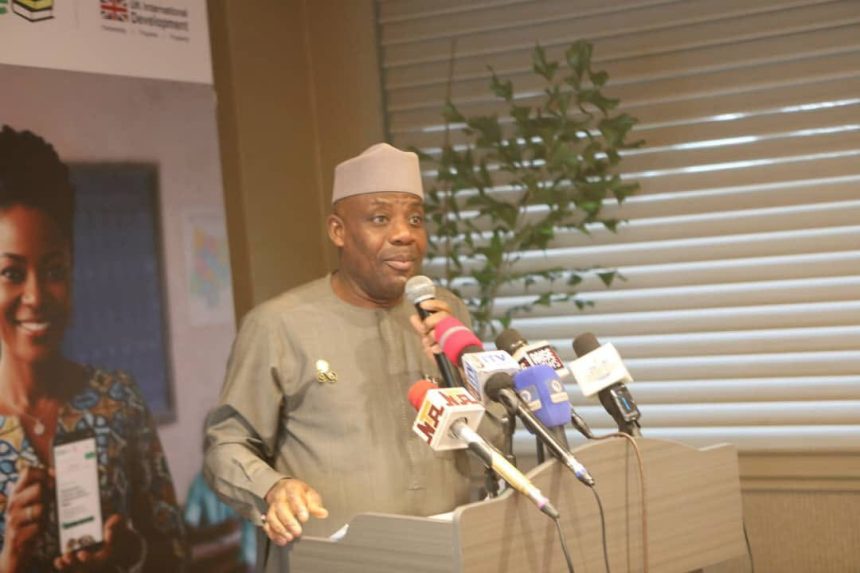
The initiative, unveiled at the Ministerial Roundtable on Zero-Rated Data and Devices for Teachers in Abuja on Wednesday, is a pilot project under the Education Public-Private Partnership (ePPP) framework of the Federal Ministry of Education, implemented in collaboration with the UK-funded PLANE Programme.
Minister of Education, Dr. Maruf Tunji Alausa (CON), said the project represents a key step in achieving the Tinubu administration’s Renewed Hope Agenda for education, removing financial barriers that have long hindered teachers’ digital inclusion.
Read Also: Nigeria Strengthen Educational Ties with India
“Empowering teachers with free data and digital tools is central to achieving quality education in a technology-driven world,” Alausa said. “Under President Bola Ahmed Tinubu’s Renewed Hope Agenda, no teacher will be left behind in Nigeria’s transition to digital learning.”
During the event, Dr. Alausa also inaugurated the Ministerial Implementation Committee (MIC) for the initiative, which he will chair. The committee will be coordinated by the Universal Basic Education Commission (UBEC) and include key partners from TRCN, NERDC, NITDA, Airtel, MTN, UBA, AWS, UNICEF, UNESCO, and the FCDO.
The Minister also unveiled solar-powered smart boards preloaded with national curricula and announced plans to establish a Digital Training Academy in collaboration with Coursera, AWS, and Pluralsight. The academy will focus on upskilling teachers in digital literacy and emerging educational technologies.
Dr. Alausa disclosed that by 2027, all public schools across the country are expected to be equipped with smartboards, e-learning platforms, and AI-powered tools to enhance teaching outcomes and improve access to quality education.
He noted that the government’s commitment to bridging the digital divide among teachers aligns with global best practices and underscores Nigeria’s determination to prepare its education system for the demands of the 21st century.