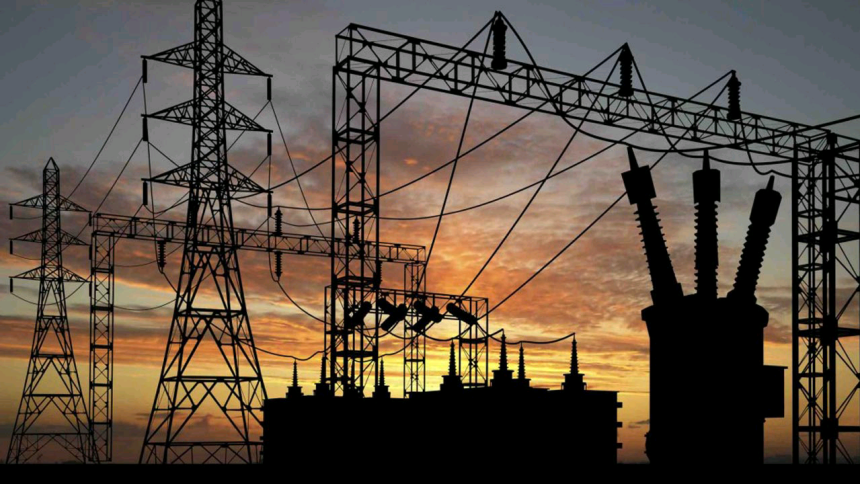
The Federal Government has issued a ₦590 billion first-tranche bond to kick-start repayment of the long-standing debt owed to electricity generation companies (GenCos), as part of a broader plan that targets ₦4 trillion in total obligations.
The bond issuance backed fully by the government includes ₦300 billion in cash bonds available on the market and ₦290 billion in non-cash bonds directly allocated to GenCos under identical terms. The instrument carries a seven-year tenor, fixed coupon rate, and semi-annual interest payments, with plans to list the bond on the Nigerian Exchange and FMDQ Securities Exchange.
This financial move follows a high-level agreement reached in October 2025 between the government and the GenCos under the government-backed debt-settlement framework approved by President Bola Ahmed Tinubu.
For years, GenCos have been owed billions of naira for electricity supplied to the national grid, a backlog that has undermined investor confidence, hampered operations, disrupted gas-supply contracts, and contributed to frequent grid collapses and unstable power supply across Nigeria.
The bond issuance under the so-called Presidential Power Sector Debt Reduction Plan represents the largest intervention in over a decade, aimed at:
- Restoring liquidity to GenCos and stabilising the value chain,
- Encouraging new investment into the power sector, and
- Rebuilding confidence among gas suppliers, power producers, and investors reliant on a stable electricity market.
How the Bond Issuance Works: Mechanism and Oversight
- The bond is backed by the full faith and credit of the Federal Government, giving it high security and making it eligible for investment by pension funds.
- A lead issuing house and financial adviser has been appointed, and the bond will be issued through a book-build process, with a minimum subscription threshold for investors.
- The bond proceeds will be used to settle verified outstanding obligations owed to GenCos and qualifying gas suppliers.
- In case of oversubscription, additional non-cash bonds may be allotted to GenCos — boosting the capacity of the settlement plan.
Leaders of GenCos and private-sector investors have welcomed the development, calling it a credible, systematic effort to resolve liquidity challenges in the power sector.
Some analysts warn, however, that for the measures to deliver long-term stability, payment clarity, regular cash flow from distributors (DisCos), and consistent regulatory oversight are required. A prior government proposal to offer GenCos only 50% of owed debts was earlier rejected by the companies as unacceptable.
Challenges Ahead
- Ensuring full verification of debt and transparent payment to GenCos avoiding partial settlement that could spark renewed debts.
- Maintaining steady cash flow and supply from DisCos and gas suppliers without which liquidity relief may prove temporary.
- Monitoring sector reforms and commercialisation efforts, including cost-reflective tariffs and regulatory consistency, to sustain future operations.
- Observing investor confidence and private-sector participation in restarting and expanding generation capacity.
The issuance of the ₦590 billion bond marks a critical first step in the federal government’s ambitious plan to clear the ₦4 trillion arrears owed to GenCos and gas suppliers. If executed transparently and efficiently, this intervention could restore liquidity, reignite investment, and set Nigeria on a path toward improved electricity supply.
However, success will depend on sustained commitment from government, industry players, and regulatory bodies to systemic reforms, accountability, and long-term financial discipline.
Only time will tell whether this bond issuance becomes a real turning point or just another temporary fix in the recurring saga of Nigeria’s power sector debt.