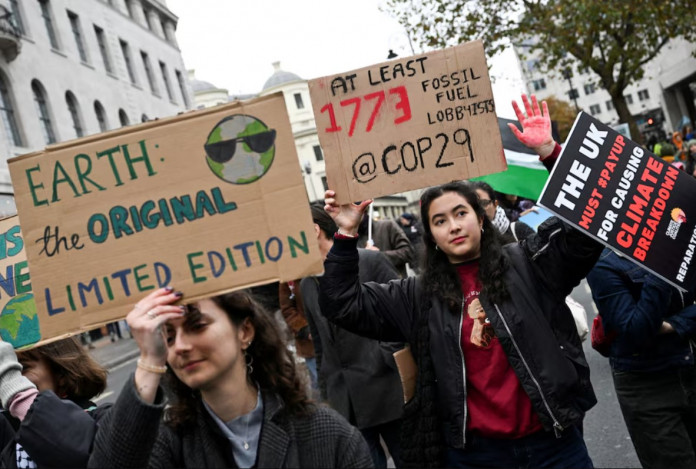
The European Union is on course to miss a critical United Nations deadline for submitting new climate targets, after sharp divisions among member states blocked agreement on how ambitious the bloc should be in cutting greenhouse gas emissions.
EU countries had committed to present updated targets for 2035 and 2040 this month, ahead of next week’s UN General Assembly and the COP30 climate summit in Brazil this November. But political infighting and economic concerns have left the bloc unable to finalize a joint position in time.
Diplomats told Reuters that Germany, France and Poland want to delay the 2040 target until at least an October summit, while others, including Spain and Denmark, have been pressing for strong action now. The split has also jeopardized agreement on the nearer-term 2035 goal, which officials had hoped would send a clear signal of Europe’s climate leadership.
Economic vs. Environmental Priorities
The dispute reflects long-standing tensions inside the EU:
- Eastern European countries warn that aggressive climate goals could hurt industries, increase costs for households, and damage competitiveness.
- Climate-ambitious nations argue that bolder action is needed after a summer of record heatwaves, floods, and droughts across the continent.
- Several governments have also raised concerns about balancing green transition investments with soaring defence and industrial spending, given heightened geopolitical risks.
Draft Figures on the Table
According to draft documents seen by Reuters, the European Commission has suggested a 66.3% to 72.5% reduction in emissions by 2035, compared with 1990 levels. But with no consensus, ministers are expected only to adopt a statement of intent this week, outlining broad ambitions without firm commitments.
Officials insist the EU still intends to deliver a final 2035 target in time for COP30, but failure to meet the immediate UN deadline risks undermining the bloc’s credibility on the global stage.
Global Consequences
Nearly 200 countries are expected to bring updated targets to COP30, making the EU’s hesitation particularly striking. Long regarded as a driving force in international climate diplomacy, the bloc now faces questions about whether it can still lead by example.
“Missing this deadline weakens Europe’s voice,” one EU diplomat said. “How can we push others to raise ambition when we are struggling to agree among ourselves?”
The Road Ahead
Talks will resume in October, when leaders are scheduled to debate both the 2035 and 2040 pathways. Until then, the EU will rely on provisional messaging to signal intent.
But the internal rift highlights the broader challenge: how to achieve net-zero while maintaining economic stability, supporting industry, and responding to growing public demands for urgent climate action.
For now, the EU finds itself in an unusual position — struggling to keep pace with its own climate deadlines, even as the world looks to it for leadership.