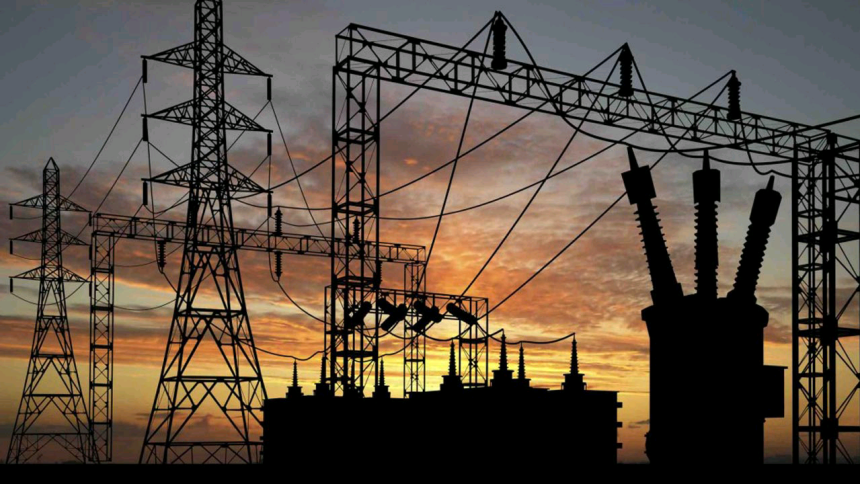
Electricity Distribution Companies (DisCos) across Nigeria have begun cutting power supply following a severe gas shortfall that has disrupted operations at several power generation stations, further straining the country’s already fragile electricity supply system.
Industry sources confirmed that the reduction in supply is linked to inadequate gas delivery to thermal power plants, which account for the bulk of Nigeria’s electricity generation. As a result, multiple power stations have been forced to either scale down production or shut down entirely, leading to a drop in megawatts available on the national grid.
The development has triggered widespread load shedding in several parts of the country, with households and businesses experiencing prolonged outages.
According to power sector officials, the gas shortfall stems from a combination of factors, including pipeline vandalism, payment disputes between gas suppliers and power producers, and ongoing maintenance on critical gas infrastructure.
Nigeria’s electricity value chain remains heavily dependent on natural gas, making gas availability, energy security, and power generation stability shaping the country’s electricity discourse.
With several gas-fired plants unable to access sufficient feedstock, electricity generation has dropped below projected capacity, forcing DisCos to ration supply to consumers.
The power cuts are already affecting small businesses, manufacturers, hospitals, and households, many of which rely on consistent electricity for daily operations. Analysts warn that prolonged gas shortages could worsen operating costs, as businesses resort to diesel generators amid rising fuel prices.
Electricity consumers expressed frustration, noting that the situation undermines efforts to improve service delivery despite recent tariff adjustments and ongoing power sector reforms.
Officials at the Ministry of Power acknowledged the challenge, stating that discussions are ongoing with gas producers, generation companies (GenCos), and pipeline operators to restore supply.
Power sector regulators have also urged stakeholders to fast-track resolutions to gas payment obligations, stressing that unresolved debts in the electricity value chain continue to discourage gas suppliers from prioritising power plants.
Meanwhile, the Transmission Company of Nigeria (TCN) said the grid remains technically stable but constrained by limited generation input caused by gas supply disruptions.
Energy experts note that gas shortages have remained a recurring problem in Nigeria’s electricity sector, despite the country’s vast gas reserves. Structural issues such as underinvestment in gas infrastructure, security challenges, and liquidity problems across the power value chain continue to undermine reliable electricity supply.
The latest development highlights the urgent need for reforms that strengthen gas-to-power arrangements, improve commercial discipline, and expand alternative energy sources to reduce over-dependence on gas-fired generation.
The decision by DisCos to cut electricity supply underscores the deep interconnection between gas supply, power generation, and electricity distribution in Nigeria. Until gas shortages are resolved and systemic challenges addressed, consumers are likely to continue facing unstable power supply, with significant economic and social consequences.