By Zainab Ibrahim
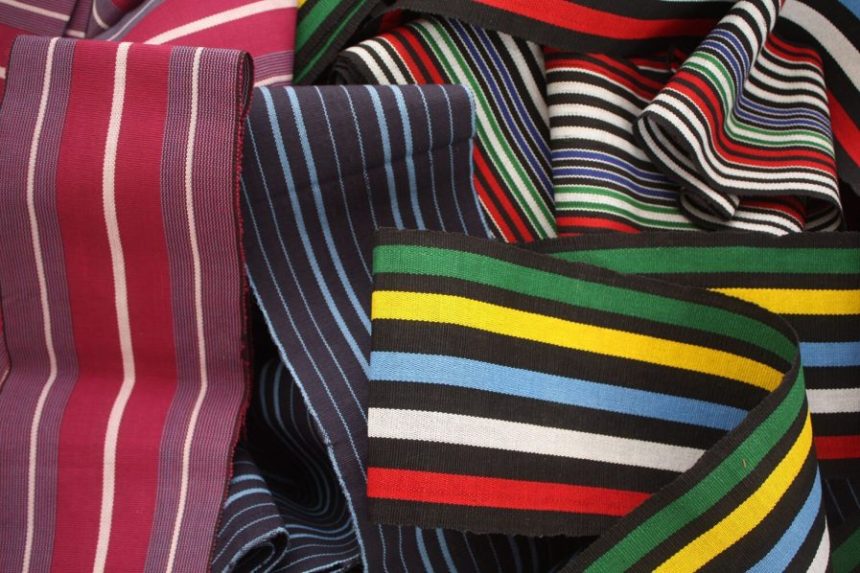
Nigeria’s fashion scene is experiencing a remarkable revival of Aso Oke, the traditional handwoven fabric originating from the Yoruba people. Known historically as a symbol of status, royalty, and cultural pride, Aso Oke is now enjoying a renaissance as designers blend its rich heritage with modern fashion sensibilities. This trend is part of a larger tapestry where tradition meets contemporary style, making Aso Oke not just ceremonial wear but everyday elegance.
Modernizing Aso Oke for the Contemporary Wardrobe
Today’s Nigerian designers are reimagining Aso Oke fabrics with lighter, breathable versions suitable for daily wear, moving beyond its conventional heavy textures. Bold colors, innovative patterns, and fusion designs are appealing strongly to younger, style-conscious consumers. Popular modern styles include flowing boubous that emphasize luxury and class, sleek two-piece sets that offer versatility, and the elegant oleku draped look for special occasions. Furthermore, Aso Oke is being used innovatively to create sophisticated accessories such as shoes and bags, while the cargo pants style called Sokoto Labulabu offers a fresh, casual streetwear appeal, blending tradition with urban fashion.
The Origins and History of Aso Oke
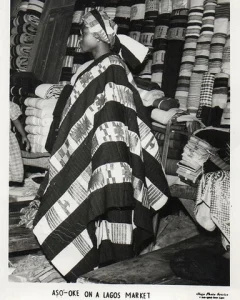
Aso Oke, literally meaning “top cloth” or “cloth from the highlands,” has origins dating back to the 15th century in Yorubaland, particularly towns like Iseyin, Oyo, and Ede in southwestern Nigeria. Its production was historically linked to skilled weavers who developed intricate designs and weaving techniques, some influenced by early trans-Saharan trade routes and indigenous methods. Traditionally, Aso Oke was worn during significant occasions such as weddings, festivals, and coronations, serving as a prestige symbol where the complexity of the design indicated the wearer’s social status.
The fabric is more than cloth; it is a rich tapestry of Yoruba culture, philosophy, and history woven into vibrant geometric and abstract patterns. Over time, Aso Oke has evolved, incorporating imported synthetic dyes and yarns from the early 20th century, yet it has retained its cultural significance.
Adire’s Global Fashion Journey
Alongside Aso Oke, Adire the indigo-dyed Yoruba fabric is gaining international acclaim for its unique beauty and cultural significance. What was historically handcrafted using resist-dyeing techniques is now embraced worldwide by fashion houses and designers who infuse it into global collections. Adire patterns have graced international runways, with contemporary designers innovating with new dyeing methods, sustainable practices, and cross-cultural collaborations.
Internationally, Adire has been featured in high-fashion collections, streetwear, and even home décor, celebrated as a symbol of African heritage and craftsmanship. Its patterns inspire designers globally to blend ethnic artistry with modern silhouettes and fabrics, echoing a larger movement of indigenous textile appreciation within the fashion industry.
Cultural Pride and Economic Impact
The revival of Aso Oke and international recognition of Adire are not just about aesthetics, they represent a resurgence of African cultural pride and identity in global fashion. These fabrics empower Nigerian artisans, support sustainable fashion practices, and open economic opportunities through expanding exports and brand partnerships.
By bringing heritage crafts into contemporary wardrobes and international markets, Nigerian fashion continues to innovate while honoring its roots, driving a vibrant fusion of the old and new that resonates across continents.