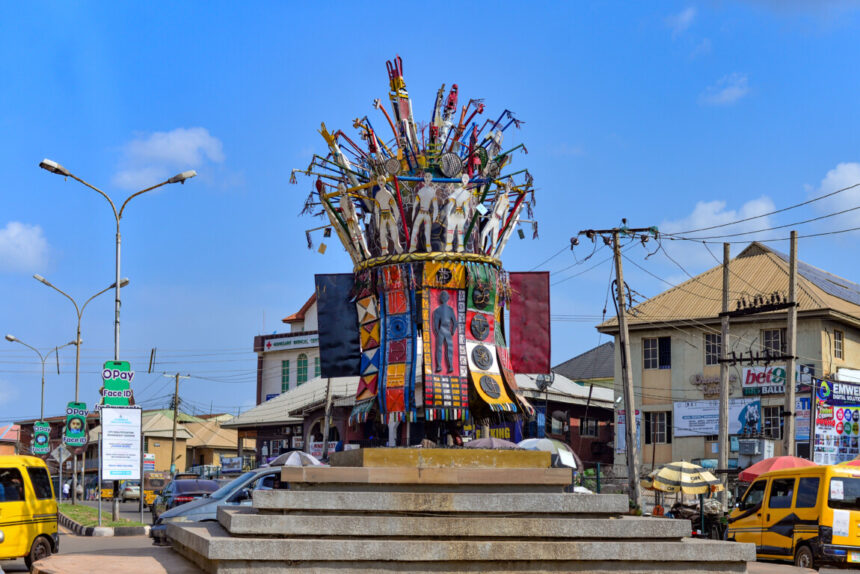
Nigeria’s cultural preservation efforts are gaining renewed momentum as heritage professionals intensify advocacy for the integration of historical assets into everyday economic and urban life, with the National Commission for Museums and Monuments (NCMM) promoting adaptive reuse as a tool for tourism growth and sustainable development.
According to a report by S24 Television, the Assistant Chief Monuments Officer of the NCMM, Ijeoma Onyejekwe, said preservation must go beyond museum storage and academic documentation, stressing that attaching economic value to heritage assets is critical to ensuring their long-term survival.
Speaking in Enugu, Onyejekwe noted that cultural identity is embedded in daily life, including food systems, architecture and community practices, adding that monetisation of heritage sites encourages stronger protection and maintenance frameworks.
She explained that Enugu’s historical assets could contribute significantly to the state’s economic expansion plan, which targets growth from $4.4 billion to $30 billion by 2030, supported by a proposed ₦30 billion investment in tourism infrastructure.
Onyejekwe also disclosed that part of her responsibilities includes conducting cultural heritage impact assessments to ensure infrastructure projects do not encroach on protected buffer zones or disrupt historic communities.
Read Also: Nigeria Move to Integrate Cultural Heritage
However, preservation initiatives have encountered setbacks. In 2021, federal government plans to designate the Old Eastern House of Assembly complex and coal preparatory plants as national monuments were stalled due to land ownership disputes and delays in state-level approvals.
She warned that continued neglect of historic assets could lead to irreversible losses, urging authorities to adopt adaptive reuse strategies that maintain authenticity while generating sustainable economic returns.
Meanwhile, the Director of the Centre for Memories, Iheanyi Igboko, said protecting ancestral lands and cultural artefacts would unlock economic opportunities for host communities, while the Centre’s Programmes Manager, Ifeoma Nnamani, called for stronger integration of indigenous knowledge systems alongside modern development approaches.
Stakeholders insist that sustained collaboration among government agencies, private sector players and local communities remains critical to repositioning cultural heritage as a catalyst for tourism development, job creation and the preservation of national identity.